Market Analysis & Updates
Dubai Ends 2025 With a Record AED 187.47B Sales Quarter: What It Signals for Buyers, Renters & Investors in 2026
Florian
•January 23, 2026
Dubai’s property market didn’t just “finish strong” in 2025—it finished with a record-setting quarter. New data published in January 2026 shows Q4 2025 reached AED 187.47 billion in sales value, with December alone at AED 64 billion. That kind of momentum matters because it shapes pricing expectations, seller confidence, and the negotiation environment you’ll face in 2026.
Below is what this record quarter can realistically mean for buyers, renters, and investors —plus practical moves you can make now if you’re planning a Dubai property decision this year.
What happened: the record Q4 2025 number (and why it’s “high-intent” relevant)
Property Finder’s January 2026 update reported that Dubai recorded its strongest-ever quarterly sales performance in Q4 2025 at AED 187.47B. The monthly run-rate was also unusually consistent: October (AED 59B), November (AED 64B), and December (AED 64B).
This isn’t just a headline—record quarterly value typically signals three things that directly affect your next move: (1) stronger competition for “best-in-class” units, (2) firmer seller pricing in prime areas, and (3) more selective opportunities where supply is abundant or where sellers need to close quickly.
2026 pricing reality check: where record sales can push prices up (and where it won’t)
When a market posts record value, many sellers assume “prices must go higher everywhere.” In practice, Dubai tends to split into micro-markets.
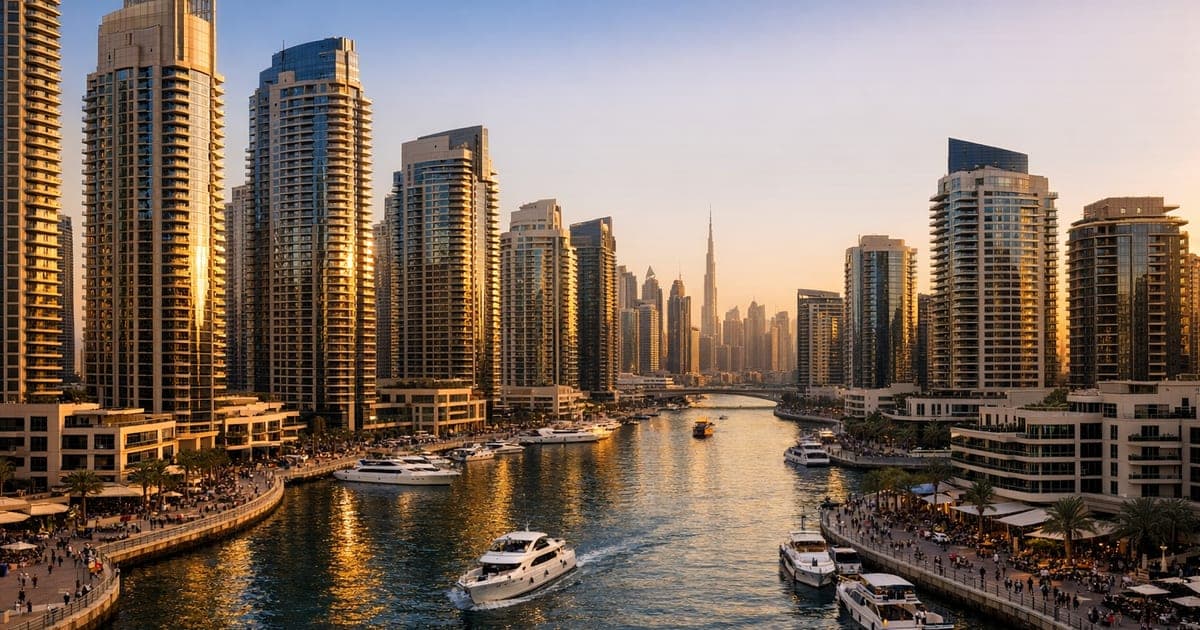
Property Finder noted that premium neighborhoods like Palm Jumeirah, Dubai Marina, and Downtown Dubai captured a significant share of transaction value—typically where demand is international and supply is limited.
Actionable takeaway: if you’re targeting prime, scarce inventory (waterfront, iconic towers, best layouts), expect less discounting. If you’re targeting areas with heavy new delivery, you can still negotiate—especially on older stock, less efficient layouts, or units with weaker views.
Off-plan vs ready in 2026: what the Q4 surge suggests about buyer behavior
Large quarterly value often reflects strong off-plan activity alongside high-ticket ready deals. In practical terms, that means many buyers are still comfortable with developer payment plans—while others are paying premiums for immediate handover in established communities.
How to decide in 2026:
- Choose ready if you need to move in now, want immediate rental income, or prefer to inspect the exact unit and building quality.
- Choose off-plan if you want staged payments, are comfortable with construction timelines, and are targeting newer product (often with stronger amenities and modern layouts).
- Hybrid strategy: some investors buy ready for cash flow and add an off-plan unit for future upside and portfolio “freshness.”
Neighborhood focus: where activity stayed strong (and how to shortlist smarter)
When a market is hot, the mistake is to chase “whatever is trending” rather than matching the area to your goal (end-use vs yield vs long-term appreciation).
Property Finder highlighted continued momentum in well-known corridors including Palm Jumeirah, Dubai Marina, Downtown Dubai, and also noted investor reliability in Business Bay, plus balanced demand in Dubai Hills Estate.
Shortlist tip: build your list in two layers—(1) your “must-have lifestyle” area and (2) one adjacent/value alternative. This keeps you from overpaying when the perfect unit isn’t available.
Investor playbook for 2026: how to win in a market that ended 2025 on a high
A record quarter can create FOMO. The smarter approach is to tighten your underwriting and focus on assets that still make sense if the market normalizes.
Use this investor checklist before you commit:
- Unit liquidity: prioritize layouts that resell easily (most in-demand bedroom counts, practical sizes, strong floor plans).
- Building fundamentals: service charge history, maintenance quality, and owner-occupier appeal matter as much as the headline neighborhood.
- Comparable evidence: validate price per sq. ft. against recent transactions—not listing prices.
- Exit plan: decide whether you’ll sell at handover, hold for yield, or refinance—before you buy.
Actionable next steps (buyers, renters, and relocators)
If you’re buying in 2026: get pre-approval (if financing), shortlist 2–3 target buildings (not just areas), and move quickly on “A-grade” units because record quarters typically reduce negotiation time on the best inventory. If you’re renting: treat renewals like a negotiation project—track comparable rents in your building, document unit condition, and start discussions early so you’re not forced into last-minute decisions. If you’re relocating: align your housing choice with commute patterns and building quality (not just a map pin). In a fast market, the best outcome usually comes from choosing the right building first, then the right unit. Conclusion: A record AED 187.47B quarter doesn’t guarantee every segment rises equally—but it does signal strong demand and confident pricing in key corridors. If you want to buy, rent, or invest in 2026, the edge comes from micro-market selection, realistic comps, and a clear plan. BrokeryHero can help you interpret the data, shortlist the right buildings, and execute a Dubai property decision with fewer surprises.
Stay in the loop
Get the latest articles delivered every week.
By subscribing, you agree to receive blog updates. Unsubscribe anytime.
More from this category
Oct 5, 2026

Oct 2, 2026

Sep 30, 2026

Sep 28, 2026

Sep 25, 2026

Sep 23, 2026

Sep 21, 2026

Sep 18, 2026

Sep 16, 2026

Sep 14, 2026