Dubai Properties
Al Satwa Road Upgrade: What Dubai Buyers Should Check Before Moving Near 2nd December Street
Florian
•October 19, 2026
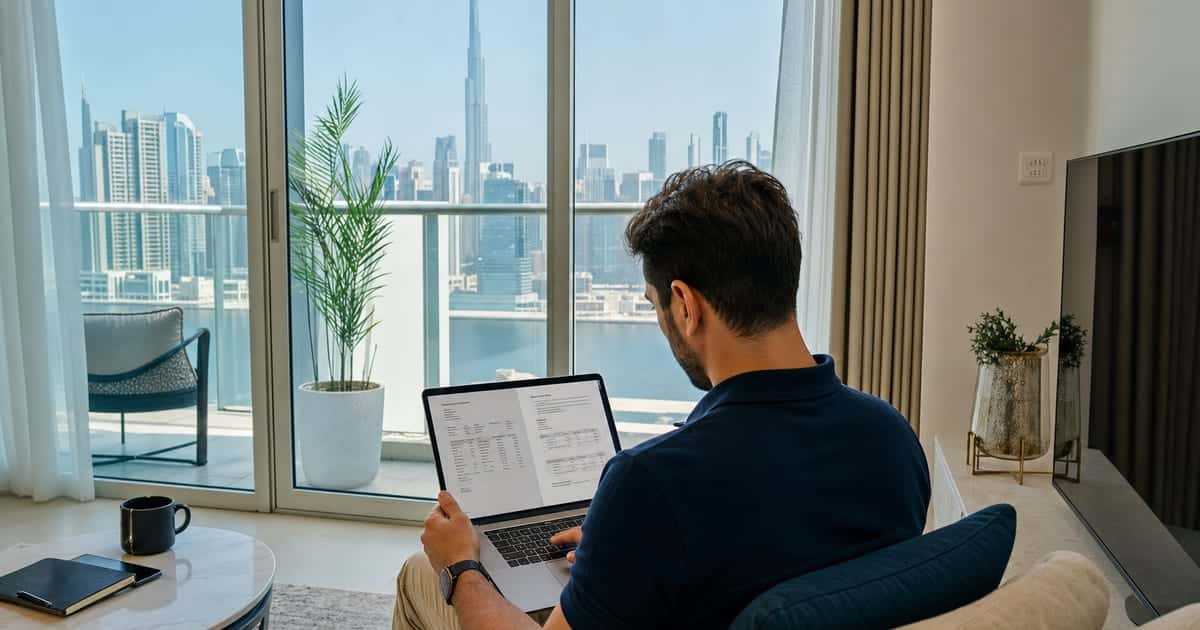
Dubai property decisions are rarely about the apartment alone. Access, exits, school runs, event traffic, parking pressure and daily commute time can change the value of a home just as much as the finishings inside it. That is why the latest Al Satwa road upgrade deserves attention from Dubai buyers, renters and investors looking at the inner-city belt between Jumeirah, Trade Centre, Al Bada’a, Al Jafiliya and Sheikh Zayed Road.
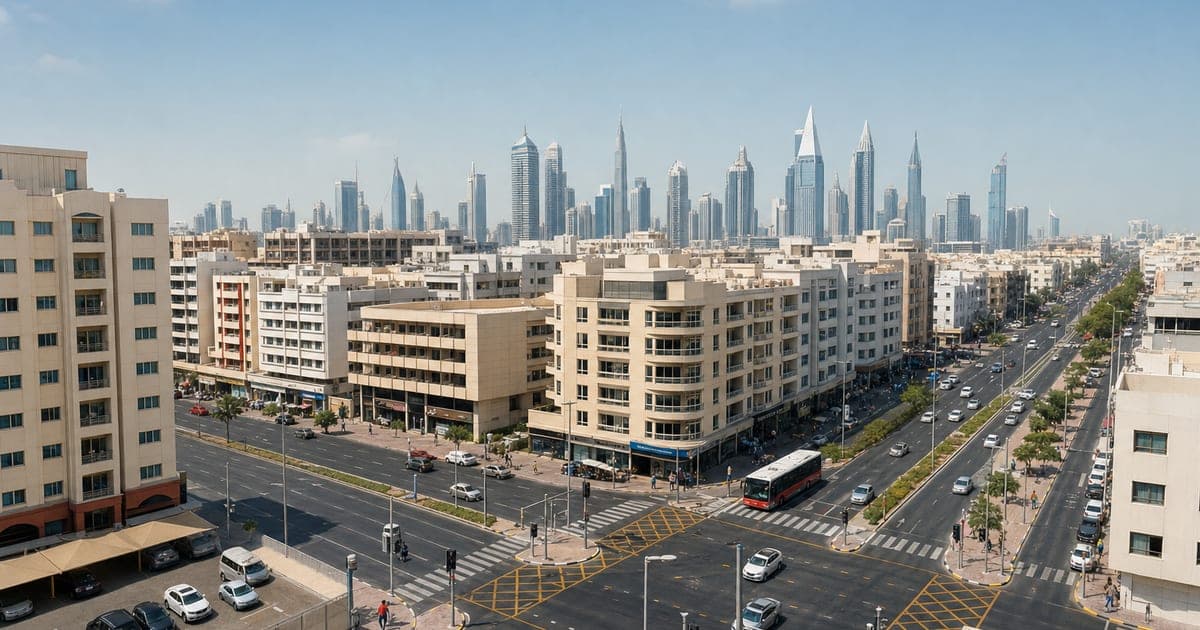
On 14 October 2026, Dubai’s Roads and Transport Authority announced the completion of the conversion of Al Satwa Roundabout into a signalised intersection, with associated road and infrastructure enhancements. RTA says the project cuts journey time by 50% and reduces peak-hour waiting times and queues by up to 60%. It also improves traffic movement from 2nd December Street towards the Trade Centre and Al Satwa, supports bus access into and out of the area, and provides easier access to Sheikh Zayed Road and surrounding corridors.
For property buyers, this is not a signal to rush into any listing at a premium. It is a signal to re-check the practical value of older central communities that sit close to Dubai’s employment, beach and leisure zones but have often been penalised by congestion. Here is how to read the Al Satwa road upgrade through a real estate lens.
Why the Al Satwa road upgrade matters for Dubai property decisions
Al Satwa is one of Dubai’s most connected older districts. It sits close to 2nd December Street, Jumeirah, Trade Centre, DIFC access routes, Al Jafiliya, Al Hudaiba and Sheikh Zayed Road. The issue has never been location on a map. The issue has been how that location behaves at 8:00 am, during evening peak traffic, and during major events at Dubai World Trade Centre.
The completed junction upgrade targets exactly that problem. RTA states that the intersection serves traffic flow from 2nd December Street towards the Trade Centre and Al Satwa and in the opposite direction, while easing movement between those corridors and the area’s internal streets. That matters for residents who rely on daily car access, but it also matters for tenants who use buses, taxis and ride-hailing services in a dense urban district.
In Dubai real estate, better access can make a community more liveable before it makes it more expensive. The strongest near-term impact is usually on tenant satisfaction, commute reliability and viewing appeal. A buyer comparing Al Satwa, Al Bada’a, Al Hudaiba, Jumeirah 1 and Al Jafiliya should now do fresh peak-hour checks rather than relying on old assumptions about traffic around the former roundabout.
Who should pay attention: buyers, renters and investors
The Al Satwa road upgrade has different implications depending on your property goal.
- End-users should look at whether the upgraded junction improves the exact commute to work, school, gym, beach or family destinations. A 50% journey-time improvement at the junction does not automatically mean your door-to-door commute is 50% faster.
- Renters should use the improvement as a reason to reassess central areas that may offer stronger location value than newer outer communities, especially if they work around Trade Centre, DIFC, Downtown Dubai or Jumeirah.
- Investors should watch whether improved access supports tenant demand for older apartments, renovated flats, staff accommodation, serviced units or mixed-use buildings near 2nd December Street.
- Landlords should not assume the upgrade alone justifies an aggressive rent increase. Tenant budgets are still shaped by building quality, parking, maintenance, chiller costs, noise and access to daily amenities.
The key point is micro-location. A unit near the improved corridor but exposed to heavy through-traffic may feel very different from a quieter building a few streets inside the community. In Satwa and surrounding older districts, two buildings five minutes apart can perform differently because of access, parking and building management.
Neighbourhoods affected: Al Satwa, Jumeirah, Trade Centre and nearby pockets
RTA specifically referenced Al Satwa, Trade Centre, Al Bada’a, Al Jafiliya, Al Hudaiba and Jumeirah as nearby areas benefiting from the improved access. For Dubai property search intent, that creates a practical comparison zone.
Al Satwa is likely to remain attractive for residents who want central Dubai access without the polished price profile of newer master-planned communities. Buyers should be selective on building age, parking allocation, common-area maintenance and noise from retail streets.
Jumeirah and 2nd December Street benefit from better movement towards the Trade Centre side. This is useful for families and professionals who like beach-side living but need efficient access to business districts. The caveat is that Jumeirah pricing depends heavily on villa condition, plot size, school access and proximity to the coast, not just a road junction.
Trade Centre and One Central users should pay attention because the Al Satwa upgrade complements wider World Trade Centre Roundabout improvements. For buyers considering apartments around Trade Centre, DIFC fringes or Sheikh Zayed Road, event-day traffic remains a major due diligence item. Test the route during exhibitions, not only on a quiet weekend.
Al Bada’a, Al Hudaiba and Al Jafiliya may appeal to renters who want older, established central communities with relatively quick access to government offices, schools, parks, healthcare and the coast. For investors, these areas require building-level discipline because yields can be damaged by maintenance surprises and parking limitations.
How to inspect property after a road upgrade
Road projects can improve access, but they can also shift traffic patterns. A formerly quiet road may receive more flow, while a previously congested approach may become more tolerable. Before buying or signing a tenancy contract near the upgraded Al Satwa junction, run a practical inspection routine.
- Visit at three times: morning peak, evening peak and late night. Noise and access can change sharply.
- Check event traffic: if you work near Dubai World Trade Centre or DIFC, test the route during a major exhibition or conference week.
- Ask about parking: older central buildings may have limited covered parking or shared street parking, which affects both living quality and rental appeal.
- Review bus and taxi access: RTA says the new layout improves bus movement into and out of the area, but you should still check the nearest stop, walking route and shade.
- Study exits, not just entrances: a building may be easy to reach from Sheikh Zayed Road but frustrating to exit towards Jumeirah or Bur Dubai.
- Compare renovated versus unrenovated stock: central location is valuable, but tenants still discount poorly maintained buildings.
This is where local advice matters. A listing description might say “minutes from Sheikh Zayed Road,” but the real question is whether the route is convenient from your specific building, at your specific travel time, in your specific direction.
Investment angle: better access is useful, but not a full thesis
Dubai Land Department’s October 2026 update at RISE highlighted the emirate’s broader investment story, including regulatory transparency, infrastructure, digital services and market data. DLD also stated that in the first half of 2026, 104 real estate projects were completed with a value of more than AED 111 billion, representing 52% growth in value compared with the same period last year.
That wider supply backdrop matters. Investors should not treat a single road upgrade as a guarantee of capital appreciation. Dubai is becoming more selective. Better access can help a central property defend occupancy and tenant demand, but performance still depends on purchase price, service charges, maintenance, layout, parking, building reputation and competition from newer stock.
For Al Satwa and nearby districts, the strongest investment case is not “buy because RTA improved the junction.” The stronger case is: buy only if the building offers a rent-to-price equation that compensates for age, parking and maintenance risk, while benefiting from central Dubai access that has just become more practical.
Buyer caveats before paying a premium
There are three caveats to keep front of mind. First, RTA’s reported journey-time and queue reductions refer to the upgraded intersection and peak-hour waiting conditions, not to every commute from every building in the area. Second, traffic improvements may take time to settle as drivers adjust their routes. Third, older districts often have mixed building quality, so road access should be only one line in your due diligence checklist.
If a seller or agent uses the Al Satwa road upgrade to justify a higher asking price, ask for comparable transactions, current rental evidence and a realistic explanation of who the end tenant or future buyer will be. A good property decision in Dubai combines infrastructure news with on-the-ground checks.
The practical opportunity is clear: central areas around Al Satwa, Jumeirah, Al Bada’a, Al Jafiliya and Trade Centre deserve a fresh look after the October 2026 junction upgrade. But the right move is selective, data-led and route-specific. BrokeryHero helps clients connect the headline to the actual building, commute and deal terms, so the decision is based on usable value rather than infrastructure hype.
Sources
- RTA - Converting the Al Satwa Roundabout into a Signalised Intersection to Improve Traffic Flow
- Khaleej Times - Dubai's Al Satwa Roundabout becomes traffic signal; journey times cut by 50%
- RTA - Trade Centre Roundabout Development Project
- Dubai Land Department - Dubai Land Department Highlights Real Estate Market Competitiveness and Global Investment Appeal at RISE 2026
Stay in the loop
Get the latest articles delivered every week.
By subscribing, you agree to receive blog updates. Unsubscribe anytime.
More from this category
Oct 16, 2026
Oct 14, 2026
Oct 12, 2026
Oct 9, 2026
Oct 7, 2026
Oct 5, 2026
Oct 2, 2026

Sep 30, 2026
Sep 28, 2026
Sep 25, 2026