Living in Dubai
Dubai Loop (Feb 2026): What RTA’s Boring Company Tunnel Could Mean for DIFC, Za’abeel & Dubai Mall Property Decisions
Florian
•March 13, 2026
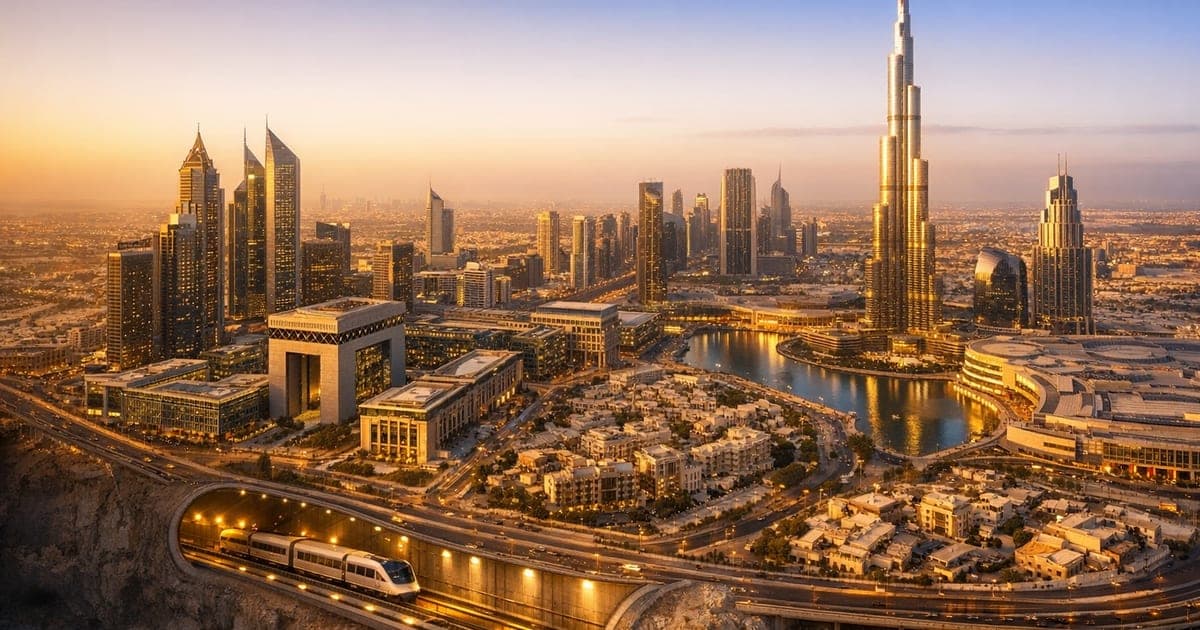
Dubai’s next “accessibility premium” story may not be a new metro station—it could be underground. In early February 2026, Dubai’s Roads and Transport Authority (RTA) and The Boring Company signed a definitive partnership agreement at World Governments Summit 2026 to commence implementation of the Dubai Loop, a planned passenger tunnel system. The first phase discussed publicly focuses on a fast link between DIFC and the Dubai Mall/Za’abeel area—exactly the kind of connectivity upgrade that can change how people choose where to live, rent, and invest.
What happened (and why it matters to property)
Dubai Loop is being positioned as a future-mobility project designed to reduce travel times between key districts. Reporting around the initial phase highlights a short first segment (around 6.4 km) with four stations, targeting a DIFC–Dubai Mall corridor and aiming for meaningful time savings versus surface traffic. ([semafor.com](https://www.semafor.com/article/02/04/2026/dubai-taps-musks-company-boring-co-to-ease-gridlock?utm_source=openai))
For real estate, the key point is simple: when commute friction drops, the “map” of desirable living areas expands. That can influence:
- Renters choosing convenience over unit size (or vice versa)
- End-users prioritizing school/work access and daily time savings
- Investors underwriting future demand around “station-adjacent” pockets
Likely “benefit zones”: DIFC, Za’abeel, Downtown & the edges in-between
Based on the publicly discussed first-phase corridor, the most obvious real estate attention will cluster around:
- DIFC: high-income tenant base, corporate leasing, and premium resale demand
- Za’abeel / Dubai Mall periphery: lifestyle-driven renters and short-commute end-users
- Downtown-adjacent spillover: buildings that are slightly “off prime” but could feel closer if travel time compresses
Even before any project is completed, expect more buyer questions like “How close is this to the Loop station?”—similar to how Dubai buyers ask about metro walkability today.
How this could show up in prices and rents (without overpaying on hype)
Infrastructure narratives can move markets in two phases: (1) expectations and (2) delivered reality. In the expectations phase, you may see listing language lean heavily on future connectivity, especially in DIFC/Downtown-adjacent inventory.
To avoid paying a “headline premium,” treat Dubai Loop as a probability-weighted upside rather than a guaranteed driver:
- Don’t price it in at 100% until timelines, station locations, and integration details are clearer
- Compare to existing alternatives (metro access, road access, walkability) and see if the unit already performs without the Loop
- Track actual transaction behavior (not just asking prices) in the micro-area over the next 1–2 quarters
Actionable tips for buyers, renters, and investors right now
For buyers (end-users):
- Shortlist buildings that already work today (commute, parking, amenities), then treat Dubai Loop as bonus upside
- Ask for evidence: where exactly is the proposed station access relative to the tower/community?
- Stress-test resale: would the next buyer still want this unit if the Loop timeline shifts?
For renters:
- Negotiate on certainty: don’t accept a rent premium solely because a future project is “coming”
- Watch mobility costs: if your daily route becomes easier, you might trade a smaller unit for a better location (or the reverse)
For investors:
- Underwrite “station-adjacent” conservatively and prioritize proven rental demand (DIFC/Downtown tenant pools)
- Prefer quality assets: strong building management, realistic service charges, and consistent leasing velocity matter more than a single future catalyst
- Plan an exit window: infrastructure stories often create liquidity spikes—be ready if pricing overshoots fundamentals
What to monitor next (the checklist that actually affects decisions)
Over the next 90–180 days, the most decision-relevant updates won’t be social buzz—they’ll be specifics that change feasibility and convenience:
- Confirmed station locations and pedestrian access points
- Construction phasing and realistic delivery milestones
- Integration with existing transit and last-mile connectivity
- Market behavior: do closed deals start clustering in certain buildings, or is it just marketing?
Also note that The Boring Company has faced scrutiny in the US related to safety and compliance discussions—worth tracking as part of overall project-risk awareness when you’re making long-horizon property bets. ([apnews.com](https://apnews.com/article/01d465b7124fc10843b117241adaa7c9?utm_source=openai))
Bottom line: treat Dubai Loop as a new accessibility narrative—then buy based on fundamentals
Dubai Loop is a new 2026 mobility catalyst that is materially different from typical market “monthly sales” headlines: it’s about future travel time compression between two of Dubai’s highest-demand zones. If it progresses as outlined, it could reinforce premiums in DIFC/Downtown and reshape how renters and end-users value nearby inventory. ([semafor.com](https://www.semafor.com/article/02/04/2026/dubai-taps-musks-company-boring-co-to-ease-gridlock?utm_source=openai))
If you want help translating this kind of infrastructure news into a practical shortlist (buildings, budgets, negotiation strategy, and realistic upside), BrokeryHero can help you pressure-test the story against the numbers—so you don’t overpay for hype.
Stay in the loop
Get the latest articles delivered every week.
By subscribing, you agree to receive blog updates. Unsubscribe anytime.
More from this category
Oct 19, 2026
Oct 16, 2026
Oct 14, 2026
Oct 12, 2026
Oct 9, 2026
Oct 7, 2026
Oct 5, 2026
Oct 2, 2026

Sep 30, 2026
Sep 28, 2026