
Living in Dubai
Monthly Rent Payments Are Landing in Dubai (2026): What Tenants, Landlords & Investors Should Do Now
Florian
•March 9, 2026
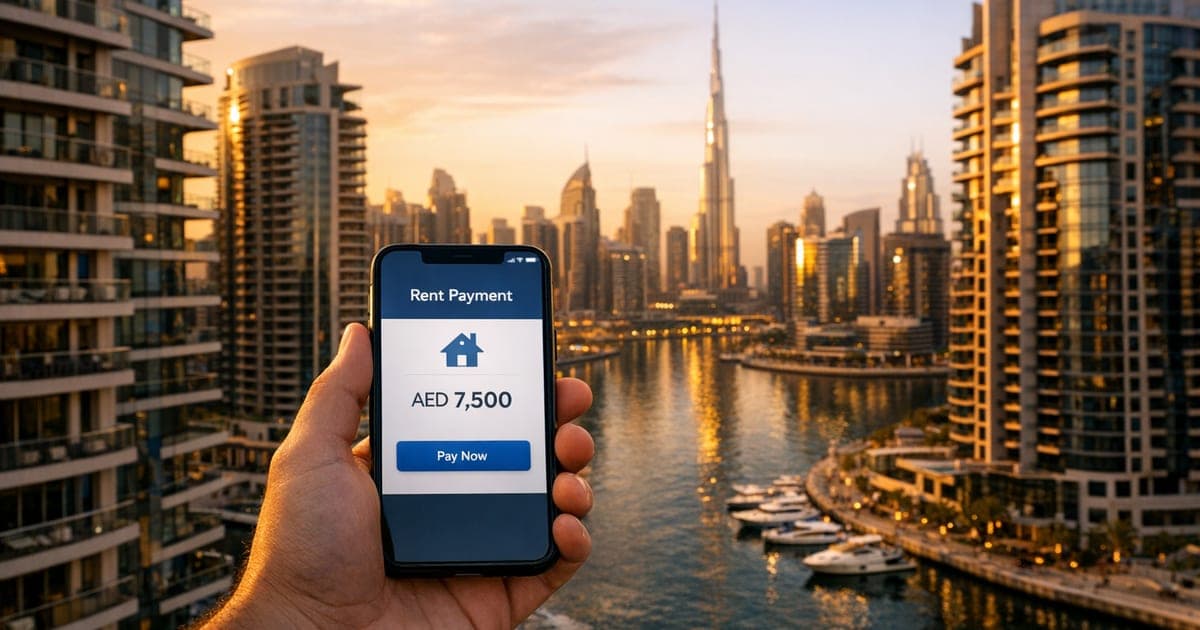
Dubai’s rental market is changing in a way that directly affects real estate decisions: monthly rent instalments are moving from “rare exception” to a real option in 2026. For decades, Dubai tenants typically paid rent via 1–4 post-dated cheques. Now, new “rent-now-pay-monthly” models are being embedded into major rental journeys—meaning affordability, negotiation power, and even buy-to-let strategy can shift fast.
This guide breaks down what’s happening, why it matters, and how to use it to rent smarter (or invest smarter) in Dubai in 2026.
What’s actually changing in Dubai rent payments (and what isn’t)
Dubai isn’t “banning cheques” overnight. Instead, the market is adding a parallel option: platforms that let tenants pay monthly while landlords still receive rent upfront (or on a managed schedule), with the platform handling collection and risk controls.
In practical terms, you’ll start seeing more listings where monthly instalments are offered through partner solutions integrated into rental portals and proptech services. This is a structural shift because it reduces the biggest friction point for many renters: large upfront cash commitments.
Why monthly payments are a high-intent signal for Dubai renters in 2026
Monthly instalments can change what tenants can realistically afford, especially for newcomers relocating to Dubai, families upgrading, or professionals who don’t want to lock cash into rent cheques.
For tenants, the impact is usually felt in three places:
- Cash flow: less upfront cash tied up in rent cheques.
- Move-in speed: fewer delays caused by cheque-book logistics and bank processes.
- Choice of home: some tenants may stretch to better buildings/locations if monthly is available (but only if total costs stay sensible).
BrokeryHero tip: Monthly payments can improve affordability, but don’t confuse “monthly” with “cheaper.” Always compare the full annual cost and any platform fees.
Landlords & investors: how monthly rent can affect yields, vacancy, and tenant quality
If you own (or plan to buy) a rental property in Dubai, monthly instalments can be a demand multiplier—especially in mid-market communities where tenants are price-sensitive but want quality buildings.
Potential upside for landlords:
- Lower vacancy risk: a larger tenant pool can qualify when upfront cheques aren’t required.
- Faster leasing cycles: fewer “I need time to arrange cheques” delays.
- Competitive positioning: “monthly available” becomes a differentiator in crowded rental submarkets.
Potential risks to manage:
- Fees and net yield: instalment plans may introduce costs that reduce net returns if not priced in.
- Default handling: understand who carries the risk (platform vs landlord) and what the collections process looks like.
- Tenant screening changes: approval may rely more on income verification and scoring than cheque history.
How this changes negotiation in Dubai: rent, incentives, and renewal strategy
As monthly options spread, negotiation becomes less about “how many cheques?” and more about “what’s the total package?” Expect more deals structured around incentives rather than headline rent.
What to negotiate (tenant-side):
- All-in monthly cost: confirm instalment fees, admin charges, and any insurance/processing add-ons.
- Upfront payments: even with monthly rent, you may still pay deposit + agency + Ejari and other move-in costs upfront.
- Renewal timing: keep your renewal notice strategy aligned with Dubai’s rent increase rules and index-based limits.
What to negotiate (landlord-side):
- List rent vs net rent: set pricing based on what you actually receive after any platform costs.
- Lease clauses: clarify late-payment triggers, cure periods, and what happens if the instalment provider declines/terminates the tenant plan.
Actionable checklist before you sign a “monthly rent” deal in Dubai
Before committing, use this quick due diligence checklist to avoid surprises:
- Ask who the instalment provider is and whether the plan is integrated into the listing platform or arranged separately.
- Confirm the annual total (rent + fees) and compare it against 1-cheque and 4-cheque equivalents.
- Get the payment schedule in writing (dates, amounts, penalties, grace periods).
- Clarify landlord payout timing (upfront vs monthly) if you’re the owner/investor.
- Verify the listing and agent compliance (RERA permit/verification steps) before paying anything.
What this means for buying property in Dubai (buy-to-let and end-users)
Monthly rent options can influence buying decisions in two opposite ways:
- For investors: properties that can be marketed with monthly instalments may lease faster and attract a broader tenant base—supporting occupancy and stabilizing cash flow.
- For end-users: if renting becomes easier on cash flow, some renters may delay buying—unless mortgage affordability and upfront buying costs make ownership compelling.
The key is to treat monthly rent as a liquidity and demand feature. In 2026, liquidity features (easy payments, verified listings, transparent indices) increasingly shape which buildings win tenant demand—and that affects resale and rental performance.
Conclusion: Monthly rent instalments are one of the most practical, real-world shifts in Dubai housing in 2026 because they change how people budget, move, and choose communities. If you want help evaluating which neighborhoods and building types benefit most from this trend (and how to structure a deal around it), BrokeryHero can help you compare options and negotiate with clarity.
Stay in the loop
Get the latest articles delivered every week.
By subscribing, you agree to receive blog updates. Unsubscribe anytime.
More from this category
Oct 19, 2026

Oct 16, 2026

Oct 14, 2026

Oct 12, 2026

Oct 9, 2026

Oct 7, 2026

Oct 5, 2026

Oct 2, 2026

Sep 30, 2026

Sep 28, 2026