Market Analysis & Updates
Dubai South’s AED 62B MAF Community: What Buyers and Investors Should Know
Florian
•May 29, 2026
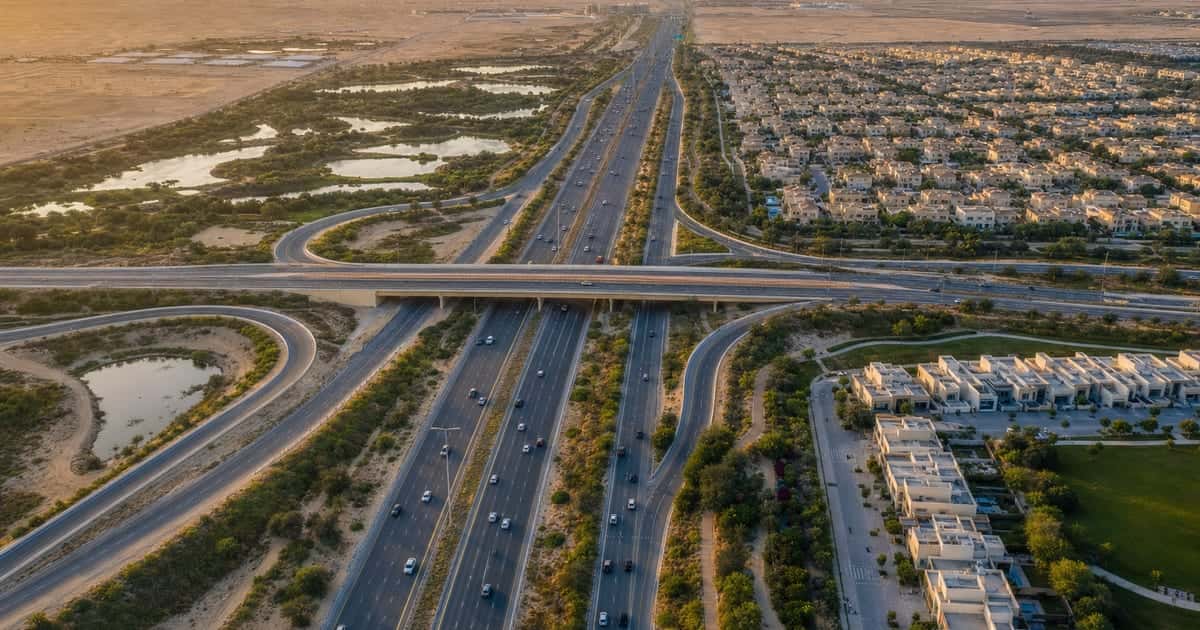
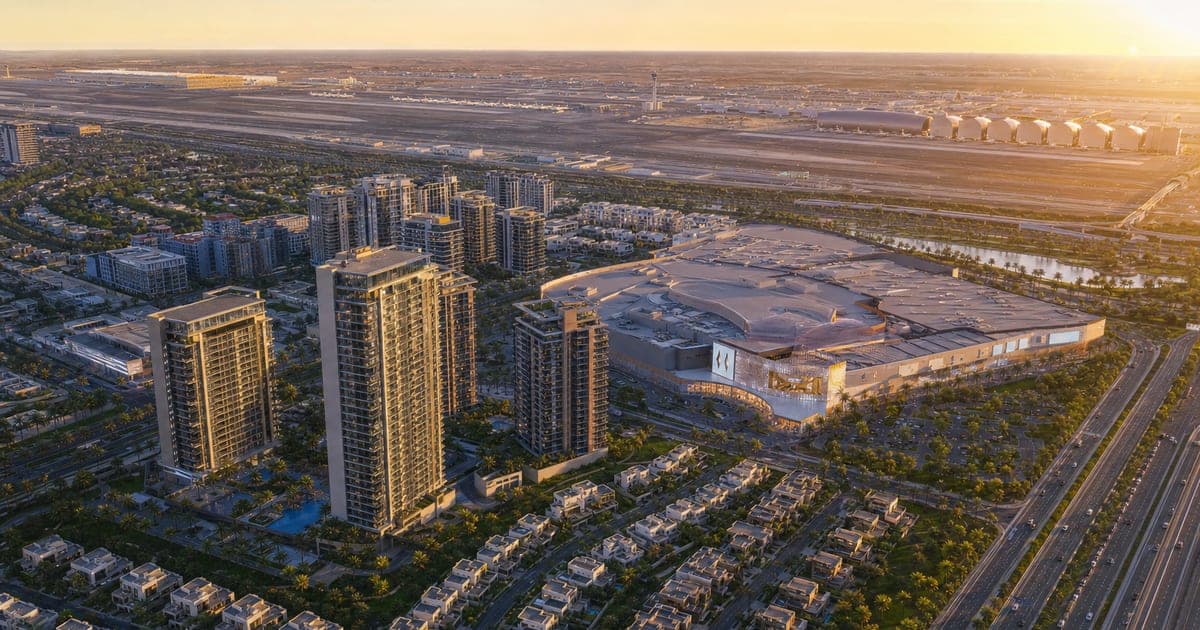
Dubai South has just gained a new reason to be on every serious buyer’s shortlist. On 19 May 2026, Dubai South and Majid Al Futtaim announced a landmark AED 62 billion mixed-use master community spanning 22 million square feet. The development is planned to include residential, retail and lifestyle components, anchored by a major shopping mall and positioned near Al Maktoum International Airport.
For Dubai real estate buyers, this is not just another off-plan headline. It is a signal that the southern corridor is moving from “future potential” toward a more mature residential and lifestyle ecosystem. The question is not simply whether Dubai South will grow. The better question is: which buyers should enter now, what type of property makes sense, and what risks need to be priced in before signing a booking form?
This guide is written for investors, end-users and relocating families comparing Dubai South property with areas like Jumeirah Village Circle, Dubai Hills Estate, Town Square, Dubai Investment Park, Expo City and Emaar South.
What Was Announced in Dubai South?
The new agreement brings together Dubai South, the master development built around aviation, logistics and real estate, with Majid Al Futtaim, one of the UAE’s most established retail and mixed-use community developers. The headline numbers matter: AED 62 billion in planned development value and a 22 million square foot master-planned community.
The announcement states that the project will include residential, retail and lifestyle offerings and will be anchored by a large shopping mall. That mall element is important. In emerging Dubai communities, everyday retail, entertainment, supermarkets, clinics, schools and dining options can have a direct effect on liveability, leasing demand and resale confidence.
The location also matters. The project is positioned near Al Maktoum International Airport and connected to major highways and transport corridors. In practical property terms, this places it inside Dubai’s long-term airport-city thesis: a residential and commercial ecosystem serving logistics, aviation, tourism, trade, exhibitions and employees who do not necessarily need to live near Downtown Dubai or Dubai Marina.
Why This Is a High-Intent Property Story, Not Just a Mega-Project Story
Dubai South has been discussed for years, but the 2026 context is different. The Al Maktoum International Airport expansion is no longer just a marketing idea. Dubai approved designs and the start of work on a new AED 128 billion passenger terminal in 2024, with the airport ultimately planned to handle up to 260 million passengers annually. The first phase has been described with capacity for 150 million passengers annually over a roughly 10-year horizon.
That timeline is crucial. Dubai South property is not a quick-flip bet for buyers expecting Downtown-style liquidity next quarter. It is a long-cycle infrastructure play. The strongest case is for buyers who can hold through construction cycles, community maturation and the gradual shift of employment, passenger activity and services toward the south.
The broader Dubai market also supports why developers are still committing capital. Betterhomes reported 44,493 residential transactions worth AED 139.2 billion in Q1 2026, with off-plan accounting for 68% of residential transactions and investors making up 57% of activity. In April 2026, REIDIN’s residential overview showed 13,335 residential sales transactions worth AED 38.5 billion, and Dubai South Residential District appeared in the top 10 locations by transaction volume.
In plain English: Dubai South is no longer a quiet peripheral story. It is showing up in actual transaction activity while receiving major public and private investment.
What It Could Mean for Buyers, Renters and Investors
For end-users, the Majid Al Futtaim announcement improves the lifestyle argument. One of the historical objections to Dubai South has been that it can feel less established than central communities. A major mall-led mixed-use destination can help close that gap over time, especially for families who value convenience, weekend amenities and community infrastructure.
For investors, the story is more nuanced. A better amenity base can support rental demand, but it can also attract more supply. Knight Frank’s Q1 2026 review noted that Dubai’s registered residential pipeline is still heavily apartment-led, with apartments accounting for 85% of forecast supply. It also projected around 350,000 residential units by 2030, while cautioning that delivery rates often fall below developer schedules.
That means investors should avoid treating the AED 62 billion announcement as an automatic price-growth guarantee. It is a demand catalyst, but also part of a wider supply cycle. The winning units are likely to be the ones with the best micro-location, sensible entry price, practical layouts and credible handover timelines.
- For renters: Dubai South may become more attractive if retail, lifestyle and transport access improve, but commute time remains the main deciding factor.
- For end-users: the area may suit buyers working near Dubai South, Expo City, Jebel Ali, Dubai Investment Park, Logistics District or Al Maktoum Airport.
- For investors: focus on rental depth, not just launch brochures. Check comparable rents in Emaar South, The Pulse, MAG 5, Celestia and nearby freehold stock.
- For off-plan buyers: compare payment plan flexibility with final handover value. A generous plan does not fix an overpriced unit.
Dubai South vs Other Popular Dubai Investment Areas
Dubai South is not trying to be Dubai Marina, Downtown Dubai or Palm Jumeirah. That is exactly why it appeals to some buyers. The entry thesis is different: affordability, future infrastructure, employment growth and master-community upside.
Compared with Jumeirah Village Circle, Dubai South may offer a clearer infrastructure catalyst through Al Maktoum International Airport, but JVC currently has a deeper rental market, broader tenant base and more mature services. Compared with Dubai Hills Estate, Dubai South is usually more of a value and growth play, while Dubai Hills offers stronger current lifestyle maturity and centrality. Compared with Town Square, Dubai South has a stronger aviation and logistics employment angle, while Town Square is more established as a family townhouse and apartment community.
For families relocating to Dubai, the decision should start with lifestyle logistics. If school runs, office commute and weekend routines are mostly in New Dubai, Jebel Ali, Expo City, DIP or Abu Dhabi-facing corridors, Dubai South can be practical. If daily life is tied to DIFC, Business Bay, Downtown or Deira, a lower purchase price may be offset by time on the road.
For investors, compare Dubai South with nearby southern corridor options rather than only citywide averages. Look at Emaar South, Dubai Investment Park, Jebel Ali Village, Expo City-adjacent stock and emerging projects around the future airport zone. The best comparison is not “Dubai South versus Dubai”; it is “this Dubai South building versus realistic alternatives for the same tenant pool.”
Due Diligence Before Buying in Dubai South
A major master-community announcement can create excitement, but disciplined buyers should slow down before reserving. Dubai’s 2026 market is more selective than the broad boom narrative suggests. Betterhomes described Q1 2026 as a more disciplined market where buyers are assessing value, pricing and long-term potential more carefully.
Before buying Dubai South property, check the following:
- Developer track record: review completed projects, handover history, service charge patterns and building management quality.
- Exact location: “Dubai South” covers a wide area. Distance to the future mall, airport, Expo City, highways and existing retail can change rental appeal.
- Unit mix: studios and one-bedrooms may lease quickly if priced correctly, while larger family units need stronger school, retail and community infrastructure.
- Payment plan risk: calculate total cash due through handover, not just the booking amount and monthly instalments.
- Comparable evidence: use recent DLD transactions and actual rental contracts where available, not only asking prices.
- Exit liquidity: ask who your likely buyer is in three to five years: an investor, an airport-linked employee, a relocating family or another off-plan buyer.
Also be careful with guaranteed-return claims or aggressive capital appreciation promises. The airport expansion and Majid Al Futtaim project are powerful demand signals, but property performance will still depend on purchase price, delivery quality, market supply, interest rates, tenant demand and the timing of surrounding infrastructure.
Practical Buying Strategy for 2026
If you are buying to live, prioritise finished or near-handover stock unless you are comfortable waiting for community amenities to mature. Walk the area at different times of day, test the commute, check supermarket access and compare the real monthly cost against renting in a more established district.
If you are buying to invest, avoid chasing the cheapest unit blindly. In emerging communities, the lowest price can sometimes reflect weaker location, poor view, high future supply or limited tenant appeal. A slightly higher entry price in a better-connected cluster can outperform a bargain unit that struggles to lease.
If you are buying off-plan, compare the launch price to ready resale options nearby. If the off-plan premium is high, you need a clear reason: better developer, better amenities, stronger payment plan, superior location or a realistic handover advantage. If the only reason is “the airport is coming,” keep negotiating or keep looking.
For portfolio investors, Dubai South can make sense as one part of a diversified Dubai property strategy. Pairing a long-horizon growth asset in Dubai South with income-led stock in a more established rental area can reduce reliance on a single timeline or tenant segment.
Conclusion: Dubai South Is Becoming Harder to Ignore
The AED 62 billion Majid Al Futtaim community is a fresh, material catalyst for Dubai South. It strengthens the area’s liveability story, adds confidence to the southern growth corridor and supports the long-term case for property near Al Maktoum International Airport.
But smart buyers should treat this as a reason to investigate, not a reason to rush. Dubai South remains a timing-sensitive, project-specific market. The opportunity is real, but so are the risks around delivery timelines, supply volume and current rental depth.
BrokeryHero’s view is simple: if Dubai South fits your budget, commute, holding period and risk profile, it deserves serious attention in 2026. Just make sure your decision is based on comparable data, building-level due diligence and a clear exit plan, not only the excitement of a mega-project announcement.
Sources
- Dubai South and Majid Al Futtaim partner to develop AED 62 billion mixed-use master community
- Mohammed bin Rashid approves designs, start of work on new AED128 billion passenger terminal at Al Maktoum International Airport
- Dubai Residential Market Report Q1 2026 — betterhomes
- Dubai Residential Real Estate April 2026 Market Overview — REIDIN
- Dubai Residential Market Review Q1 2026 — Knight Frank
Stay in the loop
Get the latest articles delivered every week.
By subscribing, you agree to receive blog updates. Unsubscribe anytime.
More from this category
Oct 9, 2026
Oct 7, 2026
Oct 5, 2026
Oct 2, 2026

Sep 30, 2026
Sep 28, 2026
Sep 25, 2026
Sep 23, 2026
Sep 21, 2026
Sep 18, 2026