Market Analysis & Updates
Dubai Q1 2026 Property Market: What AED252B in Transactions Means for Buyers and Investors
Florian
•June 22, 2026
Dubai’s latest official Q1 2026 real estate numbers are not just another record headline. They are a useful reality check for anyone planning to buy, rent, relocate, or invest in Dubai property in the second half of 2026.
On 9 April 2026, Dubai Land Department reported AED252 billion in total real estate transactions for Q1 2026, up 31% year on year by value, across 60,303 real estate transactions. Investment value reached AED173 billion across 57,744 investments, while foreign investment rose to AED148.35 billion. That is a strong vote of confidence in Dubai, UAE real estate.
But the smarter reading is more nuanced. Independent market reports show that off-plan property is still doing the heavy lifting, ready-home buyers are becoming more selective, and rental growth is stabilising in parts of the city. For investors, the question is not whether Dubai is active. It is whether the specific apartment, villa, townhouse, or branded residence you are considering is priced for the next phase of the cycle.
Why the Q1 2026 Dubai Property Data Matters
The headline number is big: AED252 billion in Q1 transactions. DLD also reported that the investor base reached 48,448 investors, up 8%, including 29,312 new investors. Luxury real estate investment reached AED87.71 billion, up 26%, while GCC investment value reached AED12.23 billion.
For buyers, this matters because capital is still entering Dubai from multiple channels: residents buying homes, overseas investors seeking hard assets, regional buyers looking for stability, and high-net-worth buyers targeting prime waterfront and villa communities.
However, volume alone does not guarantee that every deal is a good deal. A rising market can still contain overpriced units, weak layouts, high service charges, poor handover risk, or communities where future supply could pressure rents. The key is to separate Dubai-wide confidence from property-level value.
Off-Plan Is Still the Engine, But Selection Is Everything
CBRE’s Q1 2026 UAE real estate review shows that Dubai’s residential market recorded more than 45,000 sales transactions in Q1, with total residential sales value above AED137 billion. Off-plan properties accounted for more than 32,600 transactions with a value of AED103 billion, while the ready market recorded just over 12,600 deals worth nearly AED34 billion.
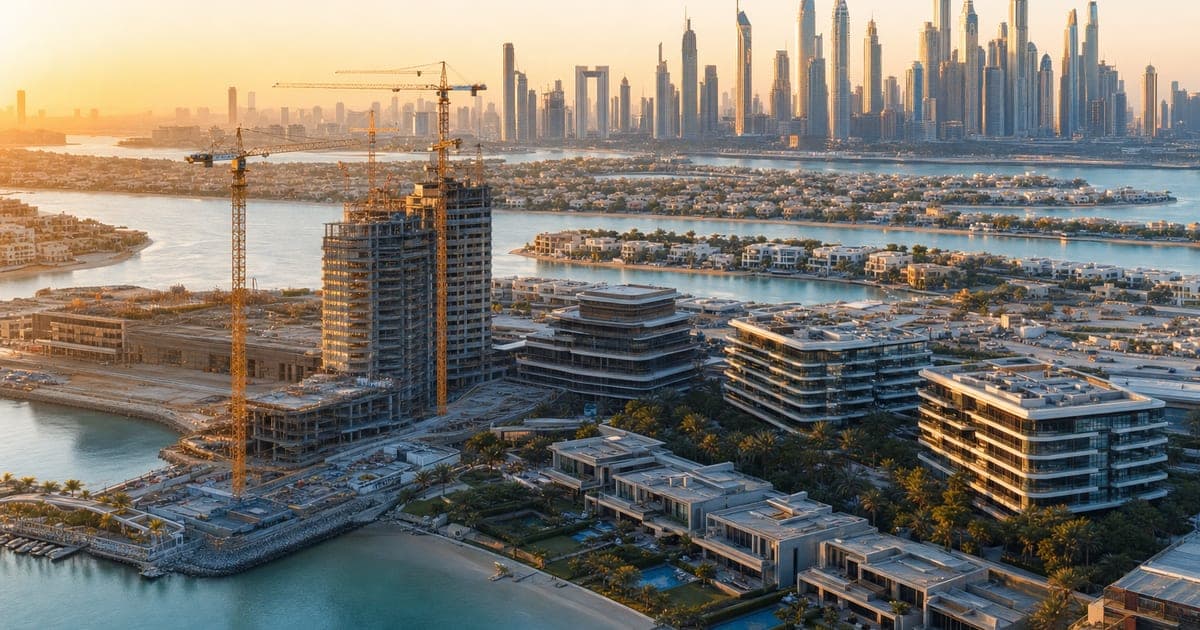
Knight Frank’s Q1 2026 Dubai residential review also points to a market dominated by off-plan sales, with off-plan accounting for 72% of all transactions in the quarter. That tells us buyers are still attracted to new launches, payment plans, modern amenities, branded concepts, and future community growth.
For investors, this is both an opportunity and a warning. Off-plan can work well when the entry price, developer track record, payment schedule and future rental demand are aligned. It becomes riskier when the purchase is based only on launch hype or resale promises.
Before buying off-plan in Dubai in 2026, check:
- Developer delivery history: Look beyond the brochure and review completed projects, handover timing, build quality and after-sales service.
- Comparable resale prices: Compare the launch price with recent ready transactions in the same or competing communities.
- Supply pipeline: Areas with heavy apartment handovers may need stronger rental demand to protect yields.
- Payment-plan realism: A low booking amount does not make a property affordable if large construction or handover payments arrive before income starts.
- Exit liquidity: Ask who will buy or rent the unit later: end-users, families, short-term guests, corporate tenants, or only other investors.
Where Demand Looks Strongest in Dubai
Demand is not moving evenly across the city. Knight Frank’s Q1 review shows several prime and central areas continuing to command high price levels. Palm Jumeirah reached AED4,525 per square foot in Q1 2026, Emirates Hills reached AED5,288 per square foot, DIFC apartments reached AED3,290 per square foot, Downtown Dubai stood at AED3,010 per square foot, and Business Bay registered AED2,613 per square foot.
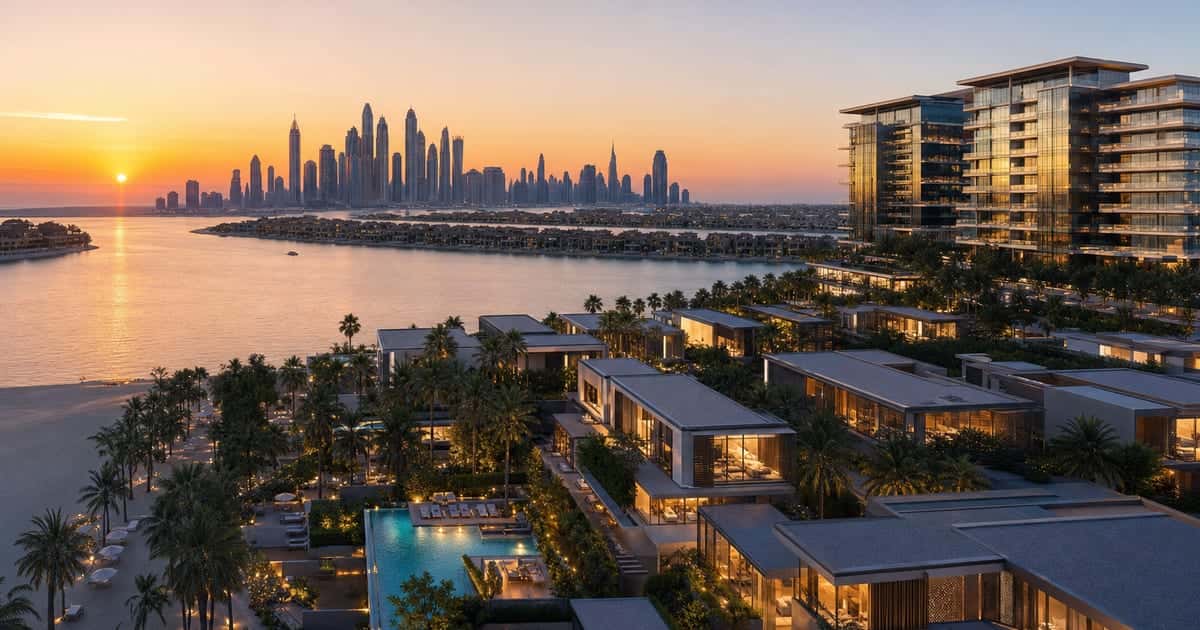
These numbers underline a clear theme: well-located, lifestyle-driven, and internationally recognised districts continue to attract deep demand. Palm Jumeirah, Downtown Dubai, DIFC, Dubai Hills Estate, Business Bay, Dubai Creek Harbour, Dubai Marina and mature villa communities still benefit from liquidity because buyers understand them quickly.
But the best opportunity is not always in the most famous postcode. Mid-market locations can offer stronger yields if the entry price is sensible and connectivity is improving. Communities such as Jumeirah Village Circle, Dubailand, Dubai Silicon Oasis, Dubai South, Arjan, Majan and Jumeirah Lake Towers can make sense for investors who prioritise rental demand over prestige.
The practical move is to compare each area by tenant depth, handover risk, service charges, building quality, parking, traffic, school access, metro or road connectivity, and nearby competing supply. Two towers in the same district can perform very differently.
Rental Stability Changes the Investor Math
DLD’s Q1 rental update reported AED32.2 billion in rental contract value, with 118,385 new rental contracts and 135,607 renewal contracts. It also reported a 25% decline in cancelled contracts, indicating more stability in the rental cycle.
At the same time, CBRE noted that Dubai rental growth is softening, with overall rents up around 4.1% year on year to March 2026, apartment rents up 4.9%, and villa rents broadly flat. CBRE also flagged that some short-term rental units may shift into the long-term rental market, adding available stock alongside new handovers.
For landlords and investors, this means 2026 is less about assuming automatic rent increases and more about underwriting carefully. A property that looked attractive at aggressive 2024 or 2025 rent assumptions may need to be recalculated using today’s achievable rent, vacancy allowance, service charges, furnishing costs, maintenance, mortgage costs and management fees.
If you are buying to rent out, ask for recent Ejari-backed rental evidence where possible, not only listings. Asking rents can be optimistic. Closed rental contracts are more useful.
What Buyers Should Do Before Committing in H2 2026
The Q1 data supports a positive long-term view of Dubai real estate, but it also rewards disciplined buyers. In a market with strong capital inflows and heavy off-plan activity, the biggest mistake is treating every new launch or resale as equal.
For end-users, focus on liveability first. Commute time, school runs, building maintenance, natural light, parking, community maturity, and service charges will matter more over five years than a small launch discount. If you are relocating to Dubai, rent-versus-buy decisions should factor visa status, job stability, family plans, and whether you truly understand the neighbourhood.
For investors, start with the exit. Studios and one-bedroom apartments may rent quickly in business districts, but they can face more competition in heavily supplied corridors. Villas and townhouses may have stronger family demand, but entry prices are higher and yields can compress. Luxury homes may preserve capital well in the right micro-market, but liquidity can be thinner if sentiment changes.
A sensible 2026 buying checklist includes:
- Review recent DLD transaction prices for the exact building or nearest comparable project.
- Stress-test rent at conservative levels, not only best-case listing prices.
- Check service charges and expected maintenance costs before calculating net yield.
- Understand whether the community is mature, emerging, or still mostly on paper.
- Compare off-plan payment plans against ready-property mortgage options.
- Use an independent conveyancer or trusted advisor before transferring funds.
The Bottom Line for Dubai Property Investors
Dubai’s Q1 2026 property market data shows resilience, liquidity and continued global demand. AED252 billion in total real estate transactions is a powerful signal, especially alongside AED148.35 billion in foreign investment and sustained activity from new investors.
But the next phase of the market is likely to be more selective. Off-plan remains dominant, rental growth is stabilising, and supply will matter more community by community. The right Dubai property can still be an excellent long-term asset. The wrong one can look good in a sales deck and disappoint in net returns.
BrokeryHero’s view is simple: buy the data, not the noise. Whether you are comparing Dubai Marina apartments, Dubai Hills villas, Business Bay investment units, or emerging communities in Dubailand and Dubai South, the winning decision in 2026 will come from matching your budget, timeline and risk tolerance to real market evidence.
Sources
- Dubai’s real estate transactions surge 31% to reach AED 252 billion in Q1 2026
- Dubai’s rental market charts stable trajectory reflecting integrated regulatory environment and sustained public confidence
- CBRE UAE Real Estate Market Review and Outlook Q1 2026
- Knight Frank Dubai Residential Market Review Q1 2026
Stay in the loop
Get the latest articles delivered every week.
By subscribing, you agree to receive blog updates. Unsubscribe anytime.
More from this category
Sep 9, 2026
Sep 7, 2026
Sep 4, 2026
Sep 2, 2026
Aug 31, 2026
Aug 28, 2026

Aug 17, 2026

Aug 14, 2026
Aug 12, 2026
Aug 10, 2026