Market Analysis & Updates
Hessa Street Is Open: What the 2026 Upgrade Means for JVC, Al Barsha and Dubai Property Buyers
Florian
•June 1, 2026
Search intent: market data explainer and buyer guide. Dubai buyers do not only buy bedrooms, views and payment plans. They buy daily access. That is why the opening of the upgraded Hessa Street corridor on 19 April 2026 deserves close attention from anyone looking at Jumeirah Village Circle, Al Barsha, Al Sufouh, Arjan, Dubai Science Park, The Greens, Barsha Heights, JLT, Jumeirah Islands or Emirates Hills.
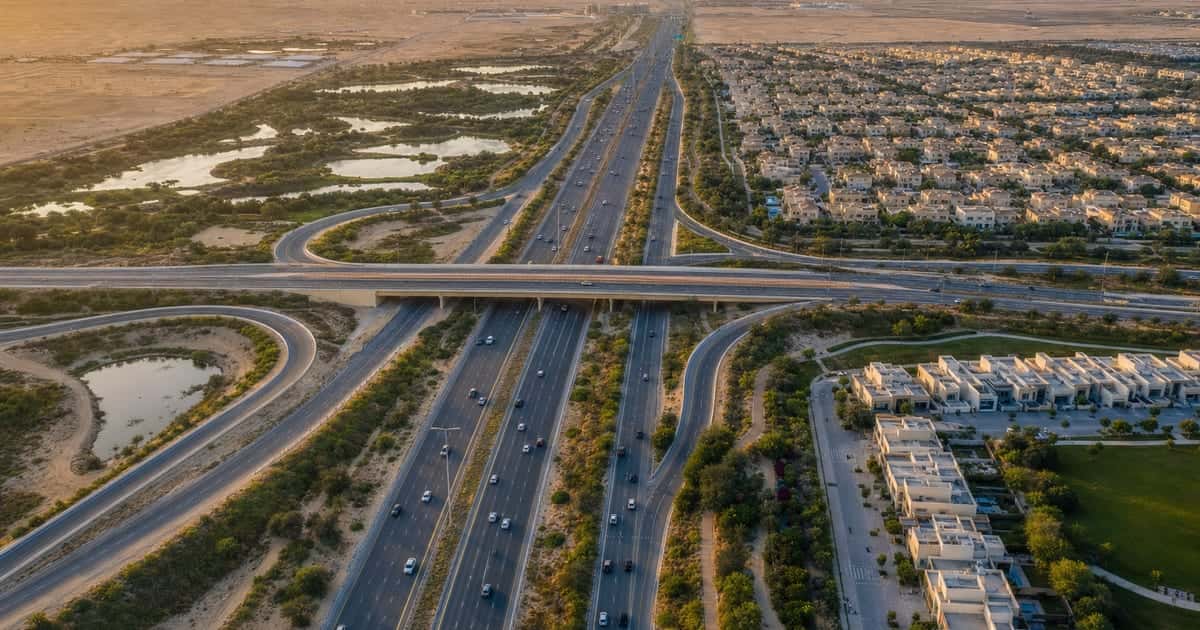
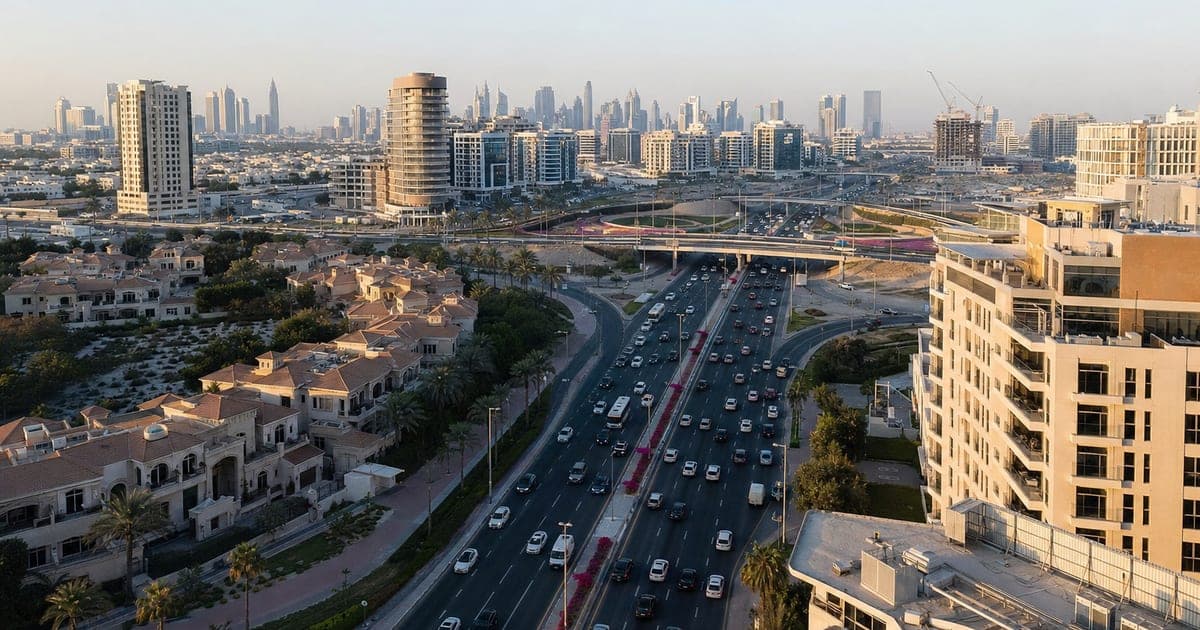
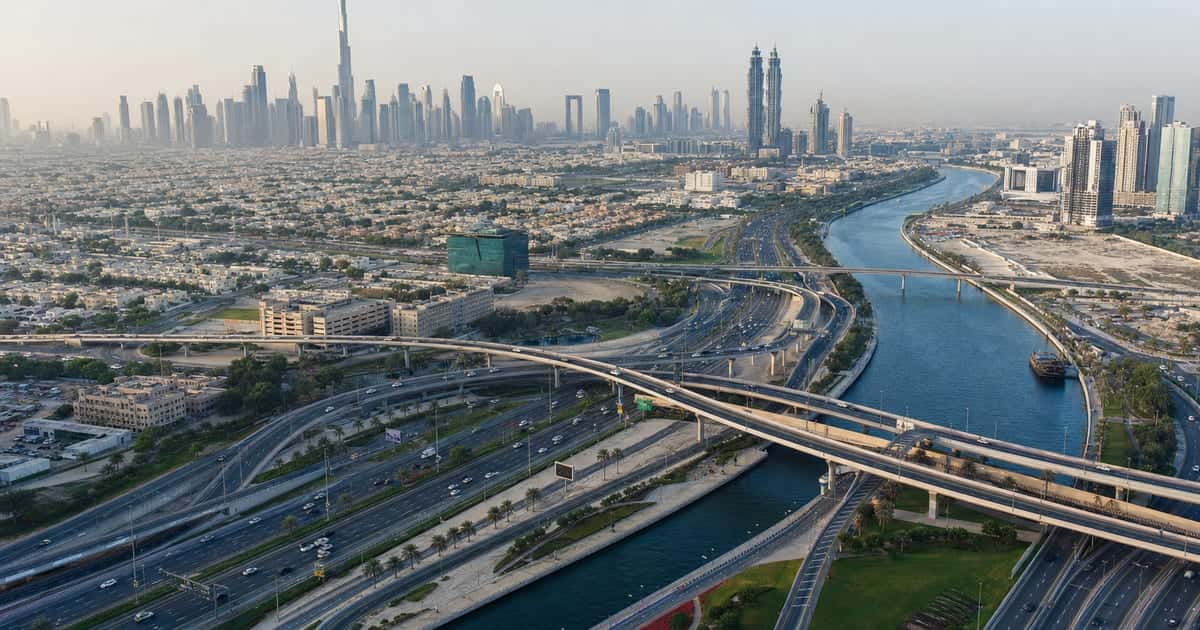
Dubai’s Roads and Transport Authority opened the full Hessa Street Development Project between Sheikh Zayed Road and Al Khail Road, a 4.5 km section that has been widened to four lanes in each direction. RTA says the upgrade cuts travel time on this stretch from 15 minutes to 4 minutes and doubles capacity from 8,000 to 16,000 vehicles per hour in both directions. That is not a small lifestyle improvement. For many residents, it changes the practical map of western and central Dubai.
For property decisions, the key point is simple: improved access can strengthen end-user appeal, support rental resilience and reduce one of the biggest objections to living in traffic-sensitive communities. But infrastructure alone does not make every unit a good buy. The smartest buyers will separate genuine access improvement from marketing hype.
Why Hessa Street matters to Dubai real estate in 2026
Hessa Street is one of the most important east-west corridors in Dubai because it connects established coastal and business areas near Sheikh Zayed Road with fast-growing inland communities around Al Khail Road and beyond. The upgraded section touches the daily commute of residents moving between JVC, Al Barsha South, Dubai Science Park, Arjan, Al Sufouh, Barsha Heights, The Greens, JLT and nearby villa communities.
According to RTA, the project serves areas whose population is expected to exceed 640,000 by 2030. The National also reported that the corridor serves residential and commercial areas including JVC, Arjan, Dubai Science Park, Al Barsha South, JLT, Jumeirah Islands, Barsha Heights, The Greens and Emirates Hills. That breadth is what makes the upgrade relevant for buyers and renters, not just motorists.
In Dubai property, access is a value driver because it affects three practical questions: how easy it is to live there, how easy it is to rent the unit, and how easy it is to resell when the market becomes more selective. A beautiful apartment in a congested pocket may still perform, but it usually needs a stronger price, better layout or better building quality to compensate for commute friction.
Communities most likely to feel the impact
The biggest potential beneficiaries are not necessarily the most expensive communities. They are the areas where Hessa Street congestion has been a common buyer or tenant objection and where improved connectivity makes the location easier to justify.
- Jumeirah Village Circle: JVC is one of Dubai’s most active apartment markets, with a deep rental pool and broad price range. Better Hessa Street access may improve its appeal for tenants who work in Dubai Marina, Media City, Internet City, Barsha Heights, Downtown via Al Khail, or along Sheikh Zayed Road. The caveat is supply: building quality, service charges, parking and handover timelines still matter heavily.
- Al Barsha and Al Barsha South: These areas already benefit from strong school access, mall proximity and central positioning. Reduced congestion can make family living more practical, especially for villa and townhouse renters comparing Al Barsha with newer master communities.
- Arjan and Dubai Science Park: These communities sit in the wider Hessa-Al Khail orbit and are relevant for buyers seeking newer apartments at a lower entry point than more mature coastal districts. The next phase of Hessa Street, from Al Khail Road to Sheikh Mohammed bin Zayed Road, is particularly important for this side of the corridor.
- Barsha Heights, The Greens and JLT: These are mature rental locations where access to Sheikh Zayed Road and metro-linked areas is already a strength. The Hessa upgrade may help reduce the pain of cross-city movement, but buyers should still compare actual building age, chiller arrangements and parking convenience.
- Jumeirah Islands and Emirates Hills vicinity: For villa and luxury buyers, road capacity can reinforce the appeal of established communities, but price performance will remain more dependent on scarcity, plot size, renovation quality and lifestyle positioning.
What investors should watch before buying near Hessa Street
Dubai’s market in 2026 is not the broad, easy boom of the early post-pandemic years. Betterhomes described Q1 2026 as a more selective market, with buyers and investors becoming more deliberate about value, pricing and long-term potential. Its Q1 data showed Dubai residential transactions at AED 139.2 billion, up 21% year-on-year by value, while transaction volume rose 4% year-on-year. That mix suggests capital is still active, but more focused.
CBRE’s Q1 2026 review also points to a market in recalibration: Dubai residential rents were up around 4.1% year-on-year to March 2026, while overall sales price growth moderated to 9.1% year-on-year. CBRE also noted that rental growth has been softening and that supply deliveries may influence both rents and pricing. In that environment, infrastructure upgrades are useful, but they should not be treated as a guarantee of capital appreciation.
For investors, the Hessa Street opening should be used as a screening factor, not as the entire thesis. If two buildings have similar pricing, layouts and service charges, the one with easier access, stronger parking and better exit routes may be more liquid. But if a project is already priced as if every future infrastructure benefit is guaranteed, the upside may be limited.
Buyer and renter checklist for the Hessa corridor
Before you buy or rent around JVC, Al Barsha, Arjan, Dubai Science Park or nearby Hessa-linked communities, test the location like a resident, not like a brochure reader. The official travel-time reduction is meaningful, but your personal commute may still depend on your exact building exit, school run timing, parking level, internal community roads and peak-hour direction.
- Drive the route at peak time: Test morning and evening commutes, not only weekend viewings.
- Check building-level access: A tower close to Hessa Street can still suffer if its internal exit is awkward or if one junction backs up.
- Compare service charges: Lower purchase price can be offset by high annual costs, especially in amenity-heavy apartment buildings.
- Inspect parking reality: Visitor parking, extra bays and podium congestion matter for tenant satisfaction.
- Review supply nearby: In high-handover areas, future competing units can affect rent growth and resale timing.
- Separate ready from off-plan: Ready units let you verify commute, noise, views and building management. Off-plan relies more on developer delivery and future assumptions.
Practical caveats: what the upgrade does not solve
The Hessa Street upgrade improves a major corridor, but it does not remove every bottleneck in this part of Dubai. Some congestion may shift to feeder roads, internal community entrances or intersections beyond the completed section. RTA has already begun Phase 2 from Al Khail Road to Sheikh Mohammed bin Zayed Road, a 3 km section expected to include new bridges, a tunnel and upgraded entry and exit points. Until that full network matures, buyers should be careful about assuming a completely frictionless commute.
Noise is another overlooked factor. Units facing major roads may gain access but lose quiet. For end-users, that may be a fair trade-off. For landlords, it can narrow the tenant pool if the apartment has poor glazing or an exposed balcony. In Dubai, the best-performing assets often combine access with liveability: practical layouts, good maintenance, sensible service charges and a building that tenants are happy to renew in.
There is also a pricing caveat. Once an infrastructure upgrade is announced or opened, sellers and developers often build the story into asking prices quickly. Buyers should benchmark recent comparable transactions, not just listings, and ask whether the price already reflects the new convenience.
How to act now
If you are an end-user, the Hessa Street opening may justify revisiting communities you previously rejected because of traffic, especially JVC, Al Barsha South and Arjan. Focus on real commute testing and building quality. If you are a renter, use the improvement to widen your search, but do not overpay simply because a landlord mentions the new road access.
If you are an investor, look for assets where improved connectivity supports an already strong rental story. A well-managed one or two-bedroom apartment in a practical building near JVC or Arjan may benefit more than a poorly maintained unit with weak parking, even if both are close to the same road. For villa buyers, improved road access can support long-term family demand, but scarcity, plot quality and renovation standard still drive value.
The bottom line: Hessa Street is now a stronger property signal in Dubai, but it should be read alongside supply, service charges, developer reputation, floor plan efficiency and actual tenant demand. BrokeryHero helps buyers and investors turn these infrastructure headlines into practical shortlists, so the decision is based on liveability and numbers, not noise.
Sources
- RTA Opens Hessa Street Development Project Under Comprehensive Vision to Enhance Traffic Flow
- Upgrades to Hessa Street project in Dubai cut traffic time from 15 to four minutes
- Dubai RTA opens upgraded Hessa Street slashing travel time from 15 to 4 minutes
- Dubai Residential Market Report Q1 2026
- UAE Real Estate Market Review Q1 2026
Stay in the loop
Get the latest articles delivered every week.
By subscribing, you agree to receive blog updates. Unsubscribe anytime.
More from this category
Oct 9, 2026
Oct 7, 2026
Oct 5, 2026
Oct 2, 2026

Sep 30, 2026
Sep 28, 2026
Sep 25, 2026
Sep 23, 2026
Sep 21, 2026
Sep 18, 2026