Market Analysis & Updates
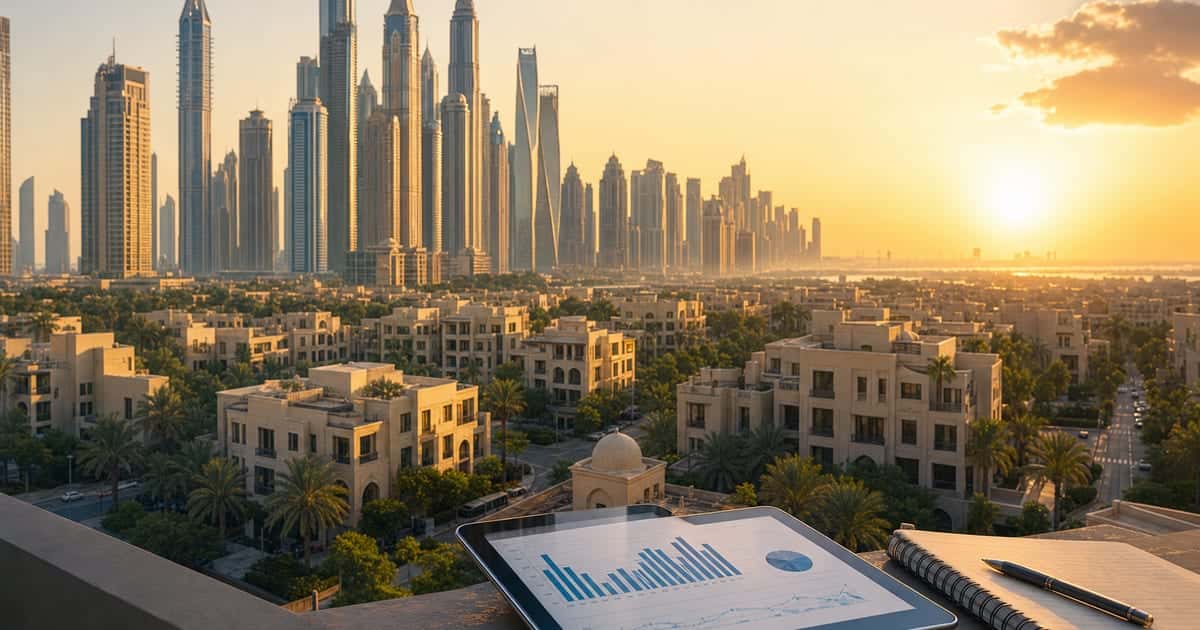
Dubai Building Safety Law 2026: What Property Buyers and Investors Must Check Now
Florian
•May 25, 2026
Dubai property buyers have a new due diligence item to put near the top of the checklist: building safety compliance. On March 10, 2026, Dubai announced Law No. (3) of 2026 on the quality and safety of buildings in the emirate. The law was issued on February 27, 2026 and introduces a framework for inspections, technical reports, maintenance obligations and Quality and Safety Certificates.
This is not just a construction-sector update. It directly affects apartment buyers, landlords, investors, tenants and owners in jointly owned buildings across Dubai. If you are comparing a ready apartment in Dubai Marina, JLT, Downtown Dubai, Business Bay, Deira, Bur Dubai or an older freehold tower against a new off-plan unit, this law gives you a clearer way to ask: is the building itself a strong asset, or just the unit?
Search intent: this is a regulation update and buyer due diligence guide for Dubai real estate investors, end users and landlords.
What Dubai’s Building Safety Law 2026 Actually Changes
Law No. (3) of 2026 applies to buildings across Dubai, including buildings in private development zones and free zones such as DIFC. The law’s objective is to improve building quality, structural integrity, regular maintenance, safe operation of systems, occupant comfort and the wider urban appearance of the emirate.
The key concept is the Quality and Safety Certificate. Under the law, this certificate is issued by the competent authority after a licensed engineering firm assesses the building’s structural and technical condition. The law also refers to a digital window, technical checklists, engineering reports, defect rectification and ongoing maintenance duties.
For buyers, the practical shift is simple: the conversation should move beyond view, layout, price per square foot and rental yield. You should also ask for building-level evidence. A cheap apartment in a poorly maintained tower can become expensive if major common-area repairs, facade defects, systems upgrades or compliance issues emerge after transfer.
Why This Matters in a More Selective 2026 Dubai Market
The timing matters. Dubai’s residential market is still active, but buyers and tenants are becoming more selective. Betterhomes described Q1 2026 as a shift toward a more disciplined market where activity is increasingly shaped by quality, location and pricing. Its report said Dubai delivered 12,463 residential units in Q1 2026, with a further 78,678 units scheduled for completion during the rest of the year.
Cavendish Maxwell data reported by Zawya also showed more than 57,300 Dubai residential sales between January and April 2026, with April sales higher than March. In other words, demand has not disappeared. But as more supply enters the market, the difference between a well-managed building and a tired building becomes easier for buyers, tenants and valuers to see.
This is where the new safety law becomes a market signal. Strong buildings with transparent maintenance records, capable management, compliant systems and realistic service-charge planning may hold buyer confidence better than buildings where owners only discover problems during resale, leasing, mortgage valuation or future compliance checks.
The Buyer Checklist: What to Ask Before You Sign
If you are buying a ready property in Dubai, especially in a completed apartment tower or mixed-use building, treat building compliance as part of your financial due diligence. You do not need to become an engineer, but you do need to ask sharper questions before signing the Form F or paying a deposit.
- Ask for the building age and completion certificate date. The law requires owners to obtain a Quality and Safety Certificate after the lapse of 20 years from the completion certificate date, while buildings under 20 years still carry periodic maintenance obligations.
- Ask whether a Quality and Safety Certificate exists or is expected. If the building is approaching the relevant age threshold, find out whether the management entity or owner association has started preparing.
- Review service-charge history. Rising costs are not automatically bad if they fund necessary maintenance, but unexplained jumps, chronic underfunding or major unpaid balances can affect net yield.
- Check the condition of common areas. Lobbies, lifts, corridors, parking, cladding, pools, gyms, fire systems and facade maintenance often reveal more than a freshly painted apartment.
- Ask about known defects or major works. If technical repairs are pending, understand whether the seller, buyer, building management or owners collectively may bear costs.
- Do not rely only on listing photos. Visit at different times, speak to building security where appropriate, and ask your broker to request official documents through the seller or management company.
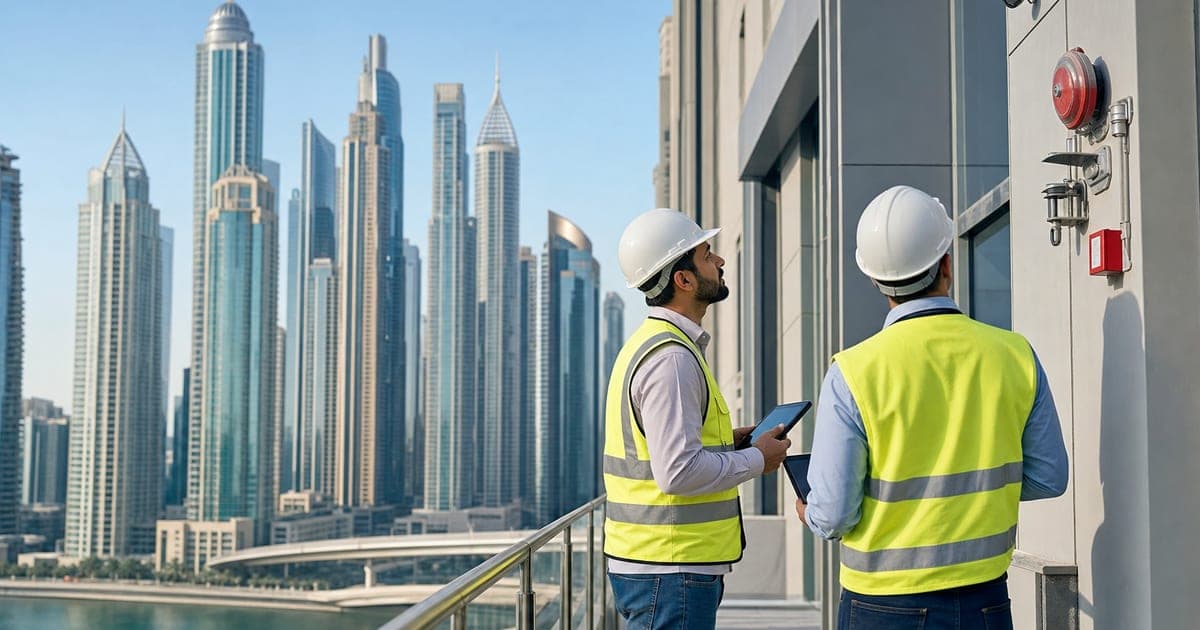
The law’s technical report framework includes items such as structural integrity, exterior cladding, electrical and mechanical installations in external and common areas, facade elements, Civil Defence safety requirements and CCTV-related requirements. These are not cosmetic details. They influence safety, insurability, tenant comfort and long-term resale confidence.
What Landlords and Investors Should Watch
For landlords, the new law reinforces a point that serious investors already understand: gross yield is not the same as net performance. A unit generating attractive rent can still underperform if building-level maintenance is weak, if service charges rise without warning, or if major rectification works disrupt occupancy.
Law No. (3) of 2026 allows competent authorities to impose fines for violations. The law states that fines can range from AED 100 to AED 1,000,000, and repeated violations within two years can be doubled up to AED 2,000,000. Authorities may also suspend building permits, stop applications relating to the building and suspend attestation of lease contracts for units in the building until violations are corrected.
That last point is especially important for landlords. Lease attestation disruption is not just an administrative inconvenience. It can affect the ability to lease, renew, evidence income or manage a portfolio smoothly. Investors buying in older or complex jointly owned buildings should now treat compliance risk as part of yield risk.
There is also a tenant-disruption angle. Where a technical report requires maintenance works and defect rectification as prerequisites for certification, occupants may be required to vacate within three months from the competent authority’s approval of the technical report. The law also gives occupants who vacate under the law priority to return after reconstruction or completion of maintenance and repairs at the same rent agreed in the original lease, unless both parties agree otherwise. Investors should get legal advice for specific cases, but the commercial takeaway is clear: building condition can affect cash flow.
Newer Off-Plan vs Older Ready Property: How the Law Changes the Comparison
The law does not mean buyers should avoid older buildings. Some mature Dubai communities have excellent locations, established amenities, proven rental demand and larger layouts than newer projects. But older ready property now requires more structured due diligence.
For off-plan buyers, the law supports the broader direction of Dubai’s market: stronger documentation, clearer building standards and more lifecycle accountability. But off-plan due diligence still has its own risks, including developer track record, escrow arrangements, payment plan exposure, handover timing and realistic post-handover service charges.
For ready buyers, the advantage is visibility. You can inspect the building today, review actual service charges, assess current occupancy, compare rental listings and see how management responds to maintenance issues. The new safety framework makes that visibility even more valuable, because future compliance will likely reward buildings that have maintained proper records and avoided deferred maintenance.
A practical comparison is not new versus old. It is well-managed versus poorly managed. A newer tower with weak management can disappoint. An older tower with solid maintenance discipline, transparent financials and a strong location can still be a good buy.
Practical Caveats Before Making a Property Decision
First, this article is a market and due diligence guide, not legal advice. The implementing resolutions, fees, procedures and competent-authority requirements may shape how the law is applied in practice. Always verify the latest position with Dubai Municipality, Dubai Land Department, the relevant free zone authority, a qualified lawyer or a licensed technical consultant.
Second, do not assume every building risk is visible during a viewing. A polished lobby can hide deferred MEP work, facade issues or reserve-fund gaps. Conversely, a dated lobby does not automatically mean the structure is poor. The point is to ask for evidence.
Third, buyers using mortgages should remember that banks and valuers may become more sensitive to building condition, documentation and future maintenance exposure. That can affect loan comfort, valuation assumptions and exit liquidity, particularly in older buildings or towers with known defects.
Finally, sellers should prepare early. If you own in a building that may be affected, gather documents before listing: service-charge statements, maintenance notices, management communications, building age, any technical reports and evidence of completed major works. Better documentation can reduce buyer uncertainty and support cleaner negotiations.
Conclusion: Better Buildings Will Matter More
Dubai’s Building Safety Law 2026 is part of a bigger shift in the market. Buyers are no longer just chasing any unit in any tower. Tenants have more choice, investors are watching net yields more carefully, and regulators are raising expectations around building performance and accountability.
For BrokeryHero clients, the message is practical: before you buy, understand the unit, the building and the community together. The right Dubai property decision now depends not only on price and location, but on the long-term quality of the asset you are actually buying into.
Sources
- Mohammed bin Rashid issues Law on the quality and safety of buildings in Dubai
- Law No. (3) of 2026 Concerning the Quality and Safety of Buildings in the Emirate of Dubai
- Dubai Enacts Comprehensive New Framework for Building Quality and Safety
- Dubai Residential Market Report Q1 2026
- Dubai residential property market secures 57,300 sales in first four months of 2026
Stay in the loop
Get the latest articles delivered every week.
By subscribing, you agree to receive blog updates. Unsubscribe anytime.
More from this category
Oct 7, 2026
Oct 5, 2026

Oct 2, 2026

Sep 30, 2026

Sep 28, 2026
Sep 25, 2026

Sep 23, 2026
Sep 21, 2026

Sep 18, 2026
Sep 16, 2026