Market Analysis & Updates
Dubai’s 4.78M Population Signal: What Property Buyers Should Do Now
Florian
•September 14, 2026
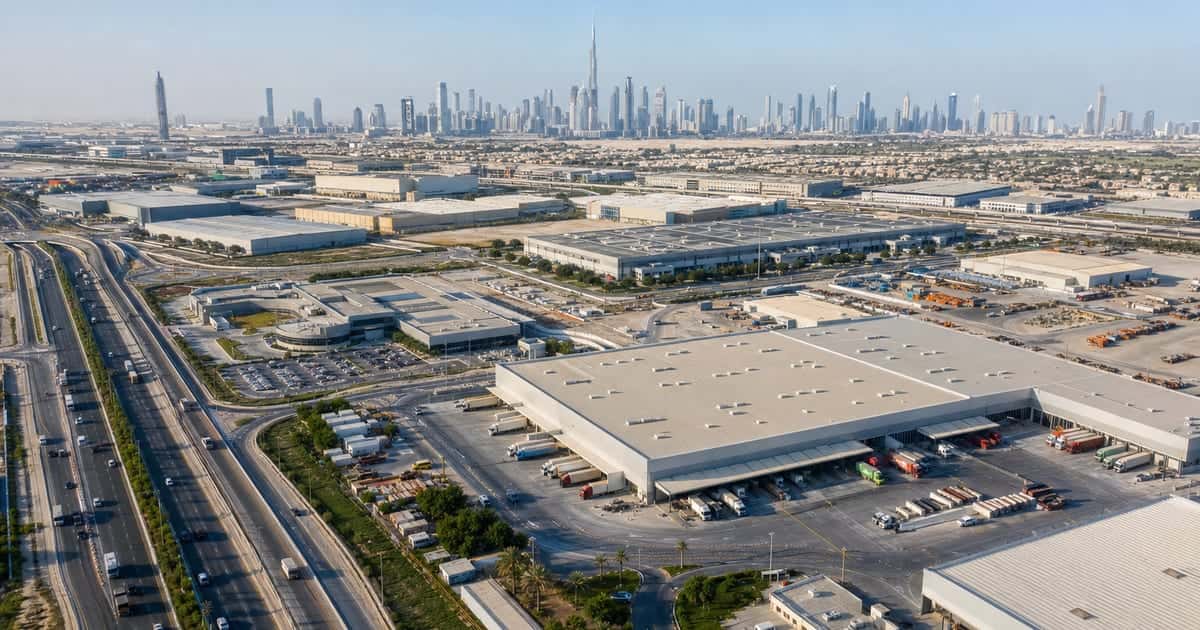
Dubai’s property market has a new data point that buyers and investors should take seriously: the city is still adding residents at speed. In late July 2026, Dubai’s population clock crossed 4.74 million, after adding more than 161,000 residents from the start of the year. Arabic-language reporting in early September put the end-August figure at about 4.783 million, a rise of roughly 203,000 residents in eight months.
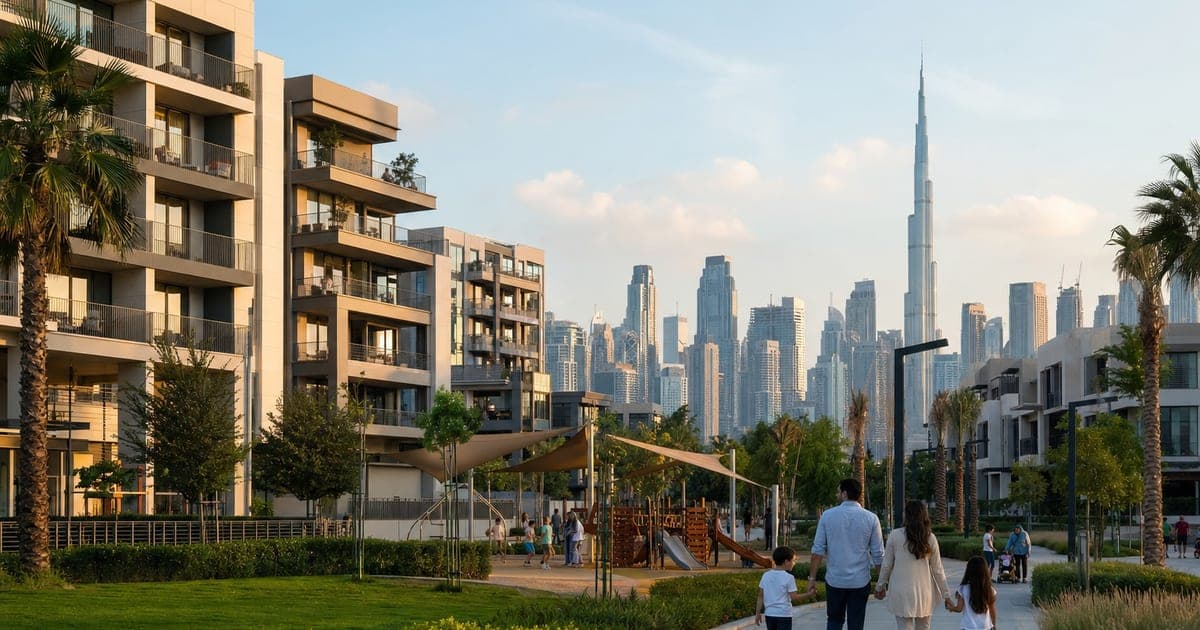
That matters because Dubai real estate demand is no longer only a story about luxury launches, international capital and short-term investors. It is increasingly about people who live, work, commute, send children to school, sign Ejari contracts and need practical homes in the UAE’s busiest city.
For search intent, this is a market data explainer for property buyers, renters and investors. The key question is simple: if Dubai’s resident base keeps expanding while sales activity becomes more selective, where should you be careful, and where could genuine housing demand still support long-term value?
Why Dubai’s 2026 Population Surge Matters for Property Decisions
Population growth is one of the cleanest demand signals in real estate, but it is often misunderstood. More residents do not automatically mean every Dubai apartment, villa or off-plan launch becomes a good investment. What it does mean is that the market needs more usable housing in locations that solve real-life problems.
The recent figures are timely. The National reported in August 2026 that Dubai had recovered from a temporary population dip earlier in the year and was home to about 4.74 million people by the end of June. Khaleej Times also reported that the population had crossed 4.74 million on July 30, 2026, according to Dubai’s Population Clock. This is not an old 2025 growth story being recycled; it is a current 2026 demand signal.
It also sits inside a bigger planning framework. Dubai’s 2040 Urban Master Plan was designed around long-term growth, including a projected resident population of about 5.8 million by 2040. For property decisions, that points to one practical conclusion: the strongest long-term assets are likely to be homes that fit the city Dubai is building, not just the marketing cycle of the next launch.
Population Growth Does Not Cancel Buyer Selectivity
The most important caveat is that resident growth and transaction momentum are not the same thing. Dubai can add people while property buyers become more price-sensitive. That is exactly why 2026 needs a more disciplined approach.
Dubai Data’s August 2026 market report, based on Dubai Land Department open data, recorded 12,197 registered property sales for the month, with a median price of AED 1.21 million and AED 1,694 per square foot. The same report showed sales volume down year on year for August. In other words, demand exists, but buyers are no longer treating the whole market as one rising tide.
This is a healthy reality check. A growing population supports rental depth, retail demand and service-led communities. But if an investor overpays for a weak location, ignores future handovers or buys a layout that tenants do not want, population growth alone will not rescue the deal.
The better question is not “Is Dubai still growing?” It is: “Which homes will Dubai’s next 200,000 residents actually want to live in?”
The Mid-Market Search Is Getting More Important
A second current signal is the shift toward more accessible pricing. In September 2026, The National reported that Dubai developers and market participants were seeing stronger interest in the AED 1 million to AED 2 million bracket, while very expensive homes above AED 10 million to AED 15 million had softened in demand.
That does not mean luxury Dubai real estate is finished. Prime waterfront villas, branded residences and trophy addresses will always have a buyer pool. But for most practical investors, the broader opportunity may be in homes that serve professionals, small families and relocating residents who need a base in Dubai rather than a status purchase.
This can support demand for:
- Studios and one-bedroom apartments near business districts, Metro access or major road links, especially for single professionals and new arrivals.
- Two-bedroom apartments in family-friendly communities where rent is still manageable compared with prime central Dubai.
- Townhouses for residents upgrading from apartments but priced below the ultra-luxury villa segment.
- Ready or near-handover units where the tenant pool can be assessed using actual rents, service charges and building condition.
- Communities with everyday infrastructure such as supermarkets, nurseries, clinics, parks, gyms and realistic commute routes.
For buyers, this is where the Dubai population surge becomes useful. It helps you filter the market around resident utility. A home that works for a real tenant or end-user has a stronger foundation than a unit that only works in a launch brochure.
Dubai Areas to Watch Through a Population-Growth Lens
Instead of chasing a single “best area in Dubai,” buyers should map communities against employment, schools, transport and affordability. Population growth is not evenly distributed. New residents arrive with different budgets, family structures and work locations.
For central professionals, areas such as Business Bay, Downtown Dubai, DIFC-adjacent districts, JLT and Dubai Marina can remain relevant because they reduce commute friction. The trade-off is usually higher entry pricing and, in some buildings, higher service charges.
For value-focused apartment buyers, communities such as JVC, Arjan, Dubai Silicon Oasis, Dubai Production City, Dubai Sports City and Discovery Gardens often enter the conversation because they offer a wider range of mid-market stock. The key is to compare building quality carefully. Two apartments in the same area can behave very differently if one has better management, parking, amenities and access.
For families, the checklist shifts. Dubai Hills Estate, Arabian Ranches, The Valley, Town Square, MBR City, Dubai South and other master-planned communities may appeal for space, schools, parks and longer-term lifestyle planning. But investors should be careful with future supply. A beautiful master community can still have short-term rental pressure if too many similar units hand over at once.
For relocation buyers, the best starting point is not the cheapest price per square foot. It is the daily-life map: office location, school runs, airport access, weekend lifestyle and the realistic rent you would otherwise pay.
Buyer and Investor Checklist for Late 2026
If you are buying property in Dubai in the second half of 2026, use the population story as a demand filter, not as a reason to rush. The city is growing, but the market is also more selective. That combination rewards buyers who negotiate and do due diligence.
- Check recent comparable transactions. Do not price a resale unit only against developer launch ads. Compare actual registered sales where possible.
- Stress-test rent. Use conservative rent assumptions, especially in buildings or communities with many upcoming handovers.
- Review service charges. A good gross yield can become average quickly if annual charges are high.
- Prioritise tenant depth. Ask who will live in the property: single professionals, couples, families, corporate tenants or commuters.
- Look beyond the unit. Parking, elevators, building management, chiller arrangements and maintenance standards affect resale and rental demand.
- Be careful with speculative premiums. If an off-plan unit only makes sense because you expect to flip before handover, the risk is higher in a selective market.
- Match payment plan to exit plan. A flexible post-handover plan can help cash flow, but it should not hide an inflated purchase price.
For end-users, the same logic applies differently. If you plan to live in Dubai for several years, compare the true cost of buying with the rent you would pay in your preferred community. Factor in down payment, fees, mortgage costs, service charges, moving costs and flexibility. Population growth may support long-term demand, but personal lifestyle fit still matters.
Practical Caveats Before You Buy on the Population Story
Population data is powerful, but it is not perfect. Dubai’s population clock is a real-time estimate, not a project-level demand report. It does not tell you how many people want to rent in JVC, buy a townhouse in Town Square or pay a premium for a branded residence in Dubai Marina.
Household size also matters. An extra 200,000 residents does not equal 200,000 new homes needed. Some residents share accommodation, some live with family, some commute from neighbouring emirates, and some are only temporarily in the city. On the other hand, higher-income families may need larger homes, schools and community infrastructure, which can support different property segments from investor studios.
Supply is the other side of the equation. If many similar units complete in the same corridor, rents can soften even while the city grows. That is why buyers should study local handover schedules, not only citywide population headlines.
Finally, remember that Dubai’s market is segmented. Ultra-prime beachfront homes, mid-market apartments, suburban townhouses, labour accommodation, offices and holiday homes can all move differently in the same year. A strong population story supports Dubai’s fundamentals, but it does not remove the need for asset-level discipline.
Conclusion: Growth Is Real, But Selection Matters More
Dubai’s 2026 population surge is one of the clearest reasons not to view the property market only through short-term sales headlines. More residents mean more housing demand, deeper tenant pools and stronger need for liveable, well-connected communities.
But the best opportunities are unlikely to come from buying anything with “Dubai” in the address. They will come from choosing homes that match how people actually live in the city: reasonable budgets, manageable commutes, reliable buildings, useful amenities and neighbourhoods with genuine daily demand.
For BrokeryHero clients, the takeaway is practical: use Dubai’s population growth as a starting signal, then let data, comparable pricing and lifestyle logic decide the property. In a selective 2026 market, that is how buyers and investors protect upside while avoiding expensive mistakes.
Sources
Stay in the loop
Get the latest articles delivered every week.
By subscribing, you agree to receive blog updates. Unsubscribe anytime.
More from this category
Sep 11, 2026

Sep 9, 2026
Sep 7, 2026
Sep 4, 2026
Sep 2, 2026
Aug 31, 2026
Aug 28, 2026
Aug 17, 2026

Aug 14, 2026
Aug 12, 2026