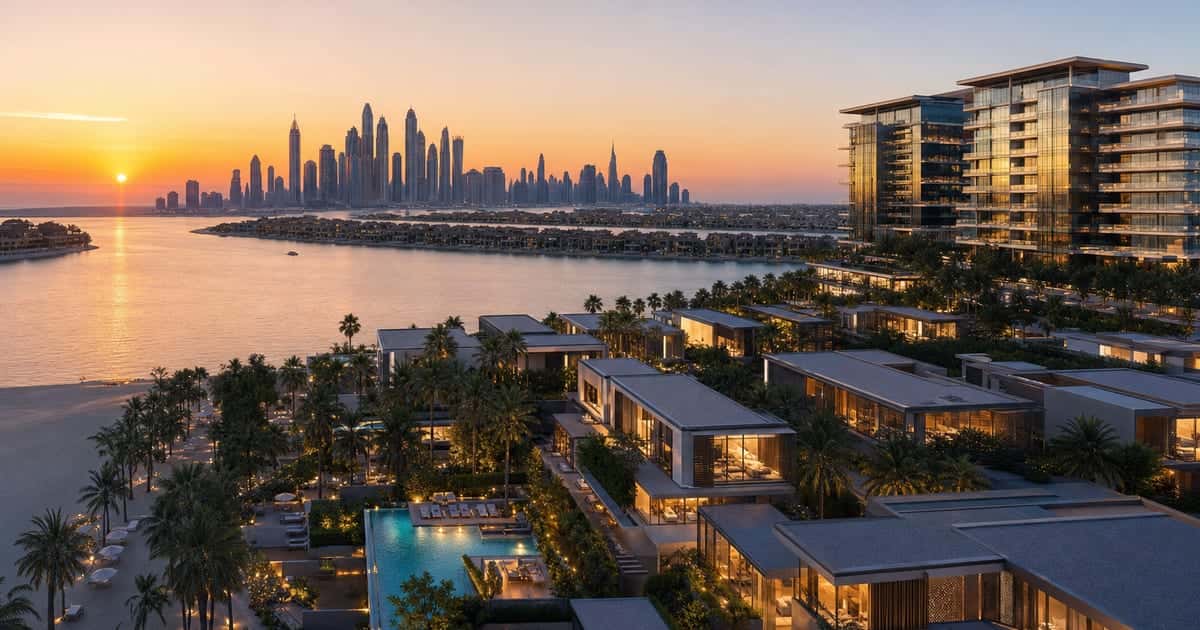

Real Estate Tips
Dubai Rent Renewal in 2026: How to Use the Smart Rental Index Before You Sign
Florian
•August 17, 2026
Dubai rent renewal in 2026 has become a more tactical decision than it was during the peak rental surge. Tenants are seeing more choice in several communities, landlords are protecting occupancy, and the official Smart Rental Index remains the key reference point for whether a rent increase can be applied at renewal.
The timing matters. In late July 2026, CBRE’s Q2 market review, reported by Gulf News, showed average Dubai residential rents falling 6.2% from the previous quarter and 2.6% year on year. At the same time, home sales prices were still 1.9% higher year on year, and around 18,000 residential units had been completed across Dubai in the first half of 2026. That combination creates a practical question for anyone renting in Dubai: should you accept the renewal, renegotiate, or move?
This is not just a tenant issue. For landlords and buy-to-let investors in JVC, Business Bay, Dubai Marina, Downtown Dubai, Dubai Hills Estate, Dubai Creek Harbour and Dubai South, renewal strategy now affects vacancy risk, net yield and resale attractiveness. Here is how to read the 2026 rental market without relying on guesswork.
Why Dubai rent renewal is a hot topic now
Dubai’s rental market is no longer moving in one simple direction. The city still has strong long-term demand, but new supply is giving some tenants more negotiating power. Gulf News, citing CBRE’s Q2 2026 UAE Real Estate Market Review, reported fewer than 37,000 residential transactions in Dubai during Q2, down 29% from more than 51,000 in Q2 2025. The same report linked the slowdown to softer demand, fewer new project launches and increased housing supply.
For renters, this does not automatically mean every landlord must reduce rent. Dubai renewals are governed by contract terms, notice rules and the Smart Rental Index. For landlords, it means that asking for the maximum possible increase can backfire if similar units are sitting vacant or if competing buildings are offering better payment terms.
Dubai Land Department’s own Q1 2026 update showed the rental market was still active, with AED32.2 billion in rental contracts, 118,385 new contracts and 135,607 renewal contracts. In other words, this is not a frozen market. It is a more selective market, where data and documentation matter more.
How the Smart Rental Index affects your renewal
The Smart Rental Index is the official tool tenants and landlords should check before agreeing to a rent increase. Dubai Land Department says the index considers factors including rental contract values in the building, average rental values in the area and building classification. The live Rental Index page asks for key inputs such as contract end date, property type, Ejari contract number or municipality number, current annual rent, area and other property details depending on the asset type.
The most important point is simple: a landlord’s requested increase is not automatically valid just because market listings are higher. DLD states that if a landlord gives notice at least 90 days before contract expiry, the increase applies only if the Smart Rental Index confirms the property is eligible. If the index does not support the increase, tenants have stronger ground to push back.
Dubai’s Decree No. 43 of 2013 also sets the rent-increase bands used for renewals. In broad terms, there is no increase if the current rent is up to 10% below the average for similar units. The permitted increase then moves through 5%, 10%, 15% and 20% bands depending on how far the current rent sits below the approved average rental value. The index is therefore not just a comparison website; it is tied to the formal rent increase framework.
The 90-day notice rule: what tenants and landlords should check
Timing is where many Dubai rent renewal disputes begin. The Rental Disputes Center states that, unless otherwise agreed by the parties, if either side wants to amend tenancy terms, they must notify the other party at least 90 days before the contract expires. DLD’s FAQ says the same principle applies when either party wants to amend conditions or reconsider the rental allowance, whether by increase or decrease.
Before reacting to a renewal demand, check these items:
- Contract expiry date: calculate the 90-day window from the actual end date in your Ejari and tenancy contract.
- Notice wording: keep the email, WhatsApp, registered notice or formal communication showing when the increase was requested.
- Index result: run the Smart Rental Index using the correct property details and current annual rent.
- Building-level evidence: compare real options in the same tower, cluster or handover generation, not just broad area averages.
- Payment structure: a lower headline rent may not be better if cheque count, chiller costs, deposits or renewal fees are worse.
If a landlord refuses to accept rent after a disagreement, the RDC FAQ says tenants may deposit rent into the Rental Disputes Centre’s treasury through the centre’s procedures. This is a serious step and should be handled carefully, but it is useful to know that Dubai has a formal route for disputes rather than leaving either side to informal pressure.
What renters should do before renewing in Dubai in 2026
Start 120 days before expiry, not 30 days before. This gives you time to check the Smart Rental Index, review competing listings and understand whether moving is actually worth it. In communities with deep rental supply, such as Jumeirah Village Circle, Business Bay, Dubai Marina and parts of Dubailand, tenants may find better layouts or newer buildings at similar budgets. In tighter villa communities or prime waterfront buildings, the negotiation window may be smaller.
Do not compare your apartment only against online asking prices. Asking prices can sit above actual signed contracts, especially when landlords are testing the market. Focus on realistic alternatives: same bedroom count, similar size, similar chiller arrangement, parking, furnishing, building age and commute. A cheaper apartment 25 minutes farther from work may not save money once transport, moving costs and lifestyle disruption are included.
If the index allows no increase, respond calmly and attach the result. If the index allows an increase but the wider market has softened, negotiate on total value. You may not win a rent cut, but you might secure more cheques, minor maintenance, appliance replacement, parking clarification or a smaller increase than requested.
What landlords and investors should watch
For landlords, the 2026 renewal market rewards occupancy discipline. A vacant month can erase the benefit of pushing too hard on rent. If average rents in your submarket are easing and comparable units are available, a fair renewal with a reliable tenant may protect net yield better than chasing the highest advertised rent.
Investors buying apartments for rental income should stress-test the numbers with conservative renewal assumptions. Do not underwrite a Business Bay, JVC, Dubai Marina or Dubai South apartment only on last year’s rent. Check current Ejari evidence where available, building service charges, chiller status, handover pipeline and the likely tenant profile. A unit that looks high-yield on a spreadsheet can underperform if too many similar units hand over at once.
For off-plan buyers, rental cooling is not necessarily bad news. It can make Dubai more affordable for residents and support long-term population retention. But it does mean investors should be more selective about floor plan, handover date, payment plan, developer track record and whether the community will have enough schools, retail, roads and public transport by completion.
Practical caveats before you make a decision
The Smart Rental Index is a key reference, but it does not replace proper contract review. Tenancy contracts can include agreed terms on notice, renewal process, payment schedule and maintenance responsibilities. If a dispute escalates, the outcome can depend on the documents, the timing and the facts of the case.
Also remember that Dubai is not one rental market. A tenant in a high-supply apartment district may have leverage, while a family looking for a well-located villa near schools may face a tighter market. Likewise, branded residences, beachfront units, Grade A buildings and older towers with high maintenance needs can behave very differently.
The best approach is to use three layers of evidence: the official Smart Rental Index, your tenancy contract and current comparable availability. When all three point in the same direction, your negotiation is stronger. When they conflict, slow down before signing.
Conclusion: data beats pressure in Dubai renewals
Dubai rent renewal in 2026 is no longer about simply accepting last year’s momentum. Rents have eased in parts of the market, new supply is changing tenant choices, and DLD’s Smart Rental Index gives both sides a clearer framework for increases. Tenants should check eligibility before agreeing to a higher rent. Landlords should balance index entitlement against vacancy risk and tenant quality. Investors should model rental income with more discipline than during the boom years.
For buyers, renters and landlords trying to make sense of Dubai’s shifting rental cycle, BrokeryHero’s view is straightforward: use official data first, compare at building level, and make the decision that protects your long-term position rather than reacting to pressure at renewal time.
Sources
- Dubai Land Department - The Smart Rent Index mitigates inflation in Dubai and enhances market transparency
- Dubai Land Department - Rental Index
- Rental Disputes Center - Frequently Asked Questions
- Decree No. (43) of 2013 Determining Rent Increase for Real Property in the Emirate of Dubai
- Gulf News - Dubai rents ease 6.2% while home prices stay above 2025 levels
Stay in the loop
Get the latest articles delivered every week.
By subscribing, you agree to receive blog updates. Unsubscribe anytime.
More from this category
Sep 9, 2026

Sep 7, 2026
Sep 4, 2026
Sep 2, 2026

Aug 31, 2026
Aug 28, 2026

Aug 14, 2026
Aug 12, 2026
Aug 10, 2026