Market Analysis & Updates
First Al Khail Street Dubai: What the New Corridor Means for Property Buyers
Florian
•August 14, 2026
Dubai property buyers have learned to watch infrastructure closely. A new road, bridge or metro link can change the way a community feels long before it changes the headline price. The latest transport update worth tracking is the First Al Khail Street Development Plan, approved on 1 July 2026 as part of an AED18 billion package of Dubai projects.
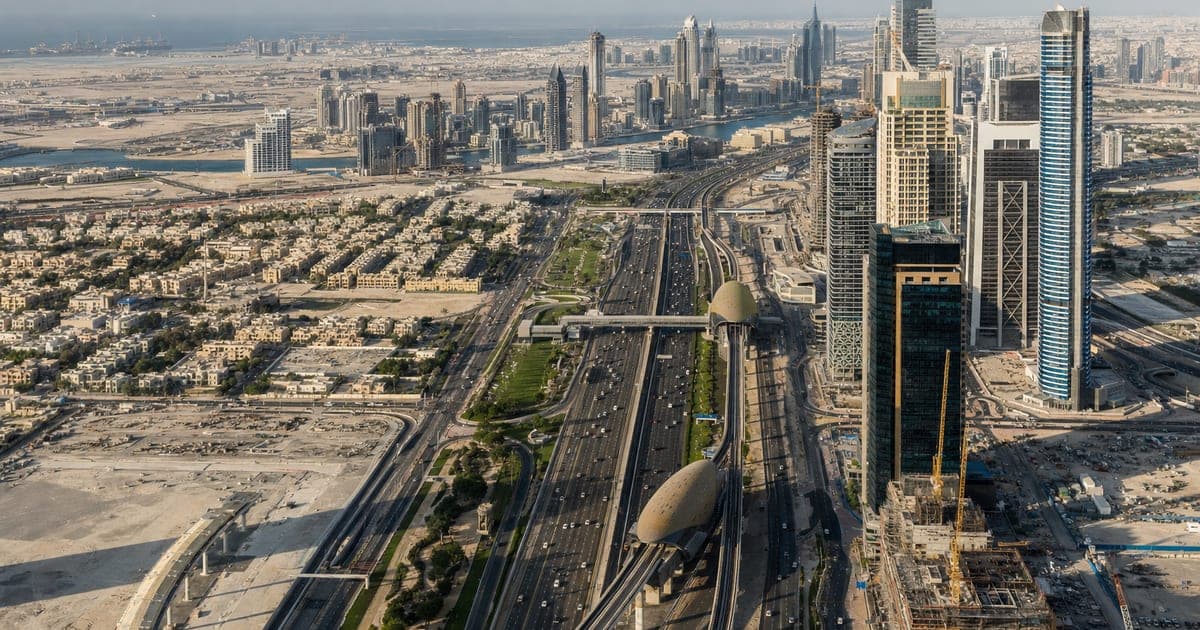
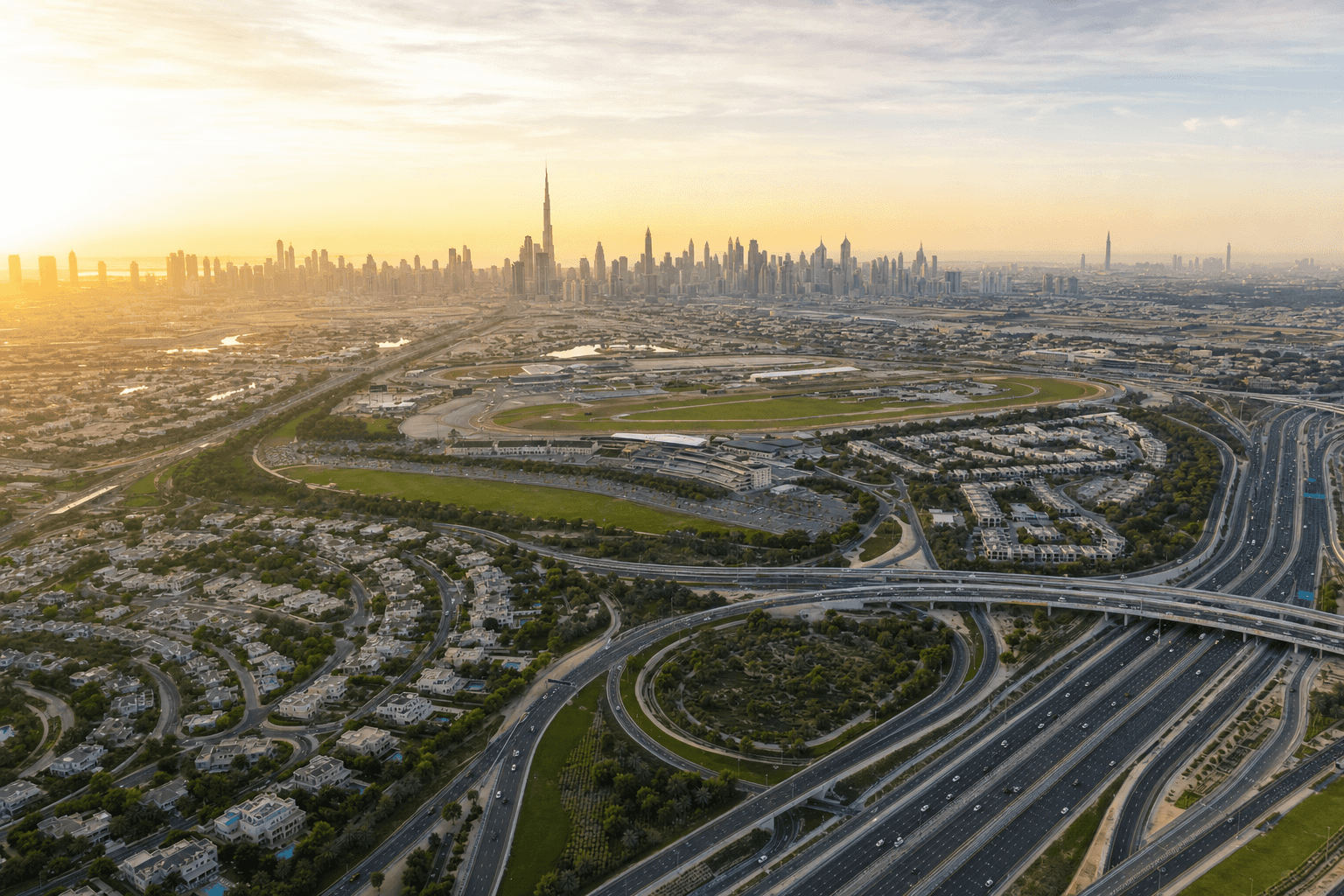
The plan introduces a 15-kilometre elevated corridor running parallel to Sheikh Zayed Road, with three lanes in each direction. According to Dubai authorities, construction is planned to start in Q3 2027 and finish in Q4 2030. The corridor is expected to serve 2.6 million people, improve access to Al Barsha, Al Quoz, Business Bay and Meydan, increase capacity by about 9,000 vehicles per hour, and reduce Sheikh Zayed Road peak-hour travel time by 51%.
For Dubai real estate, the key question is not simply whether prices will rise. The smarter question is: which homes become more practical to live in, rent out or hold over the long term because daily access improves?
Why First Al Khail Street Matters for Dubai Real Estate
Sheikh Zayed Road is Dubai’s signature commercial spine. Al Khail Road is the major high-speed bypass. First Al Khail Street sits between them, which makes it highly relevant for shorter daily trips across central Dubai. For many residents, the pain point is not the distance between home and work. It is the bottleneck getting out of a tower cluster, business district or mixed-use community and onto a main road.
That is why this project matters to property buyers. If the finished corridor improves entry and exit movements around key communities, it could strengthen the appeal of homes that already have good fundamentals but suffer from peak-hour access friction. This includes parts of Business Bay, Al Quoz, Barsha Heights, The Greens, Al Barsha and Meydan-linked areas.
However, buyers should avoid treating the announcement as a blanket guarantee of capital appreciation. Dubai’s Q2 2026 residential market has become more selective. CBRE reported that Dubai’s residential market moderated during the quarter as demand softened, transaction activity declined and new supply helped ease pricing pressures. Betterhomes also reported that Q2 2026 sales cooled to AED84.9 billion, while transactions fell year on year, even though prices and rents continued to hold up in many locations.
In plain English: infrastructure is a positive signal, but unit quality, entry price, supply pipeline, service charges and actual rental demand still decide performance.
Communities to Watch: Business Bay, Al Quoz, Barsha and Meydan
The official announcement names Al Barsha, Al Quoz, Business Bay and Meydan as areas that will benefit from improved access. That does not mean every building or plot in these districts will benefit equally. The opportunity is very location-specific.
Business Bay already has strong investor appeal because of its proximity to Downtown Dubai, DIFC, Sheikh Zayed Road and Dubai Canal. Its challenge is congestion, especially for residents moving between towers, offices, hotels and main road connections. If First Al Khail creates smoother north-south movement nearby, the most practical gains may go to buildings with already strong layouts, parking, views and walkability, not necessarily the cheapest units.
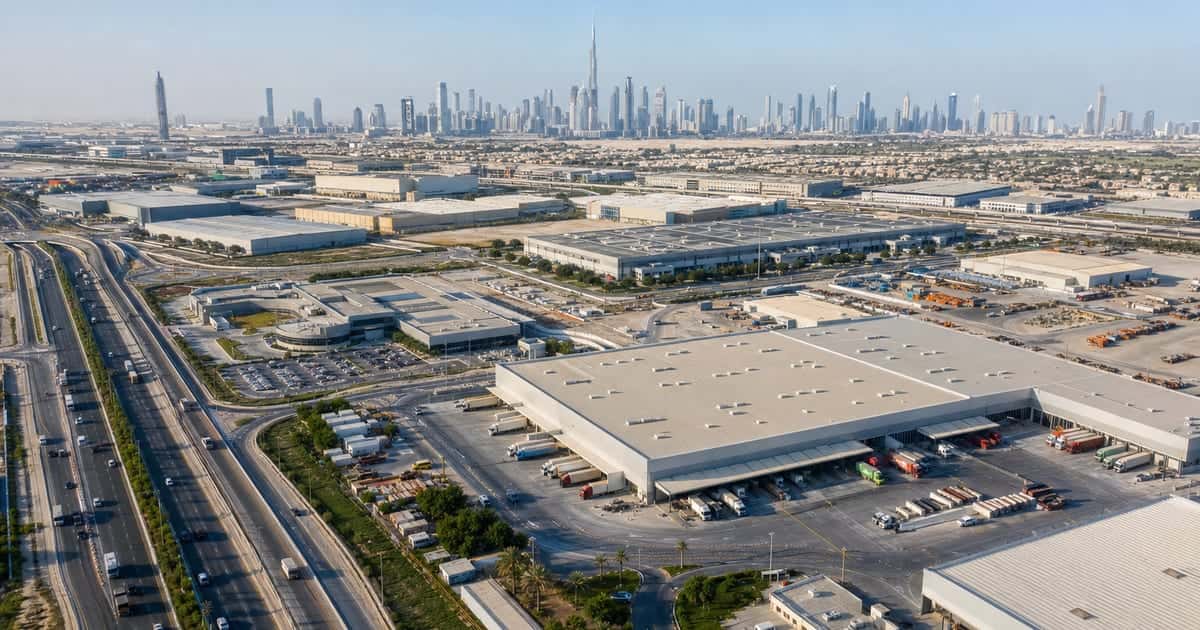
Al Quoz is more complex. It mixes industrial, commercial, creative, warehouse and residential-linked demand. Better connectivity can support commercial leasing, last-mile logistics, studios, showrooms and staff accommodation decisions. For investors, Al Quoz should be studied through the lens of land use, permitted activity, frontage, access for trucks or customers, and long-term regeneration potential rather than simple apartment yield comparisons.
Al Barsha and Barsha Heights are practical lifestyle areas for residents who value access to Mall of the Emirates, Dubai Internet City, Dubai Media City, schools and metro-linked employment hubs. If the corridor helps distribute traffic away from Sheikh Zayed Road and Al Khail Road, family renters and professionals may view these locations as more convenient.
Meydan has a different profile. It is a growth corridor with villa communities, apartments, branded projects and proximity to Downtown Dubai. Better road access can support long-term end-user demand, but buyers still need to evaluate handover timing, surrounding construction, community maturity and whether the unit price already assumes future infrastructure benefits.
How Buyers Should Price the Infrastructure Premium
In Dubai, road upgrades often create excitement quickly. Sellers may point to future access improvements as a reason to hold firm on price. Developers may highlight connectivity in launch material. Investors may move early hoping to capture upside before completion.
That can work, but only if you separate confirmed facts from optimistic marketing. A practical buyer checklist should include:
- Distance to actual access points: Being in a named district is not enough. Check how the building connects to the future corridor, not just how it appears on a map.
- Current congestion versus future relief: A building with severe access issues may benefit more from improved roads, but it also carries more execution risk until the project is complete.
- Comparable buildings: Compare price per square foot, rent, service charges and vacancy against similar buildings that already have easier road access.
- Handover dates: Off-plan projects completing before 2030 may still face years of construction disruption before the full corridor benefit is available.
- Tenant profile: Ask who will rent the unit: DIFC professionals, Business Bay workers, families, students, logistics staff or short-stay guests. Access improvements matter differently to each group.
- Exit liquidity: Buy a unit that can stand on its own merits even if the infrastructure premium takes longer to appear.
A good rule: do not pay today for 100% of a benefit that may only be delivered in Q4 2030. Instead, look for properties where the current price is fair and the corridor adds a credible long-term upside.
What Renters and End-Users Should Do Now
For renters, the First Al Khail plan is not an immediate reason to move. Construction is scheduled to start in Q3 2027, so the day-to-day benefit is not here yet. But it should influence longer-term thinking, especially for residents considering a two- to four-year stay in central Dubai.
If you work in DIFC, Downtown Dubai, Business Bay, Dubai Internet City, Dubai Media City, Al Quoz or near Mall of the Emirates, it may be worth comparing communities that sit between Sheikh Zayed Road and Al Khail Road. These areas often offer a practical balance of access, amenities and rental choice.
Tenants also have more room to negotiate than they did during the tightest phase of the rental market. Betterhomes reported that tenant enquiries rose in Q2 2026, but increased supply gave tenants more negotiating room on new lets. That means renters should not accept a high renewal or new lease purely because a future corridor has been announced. Use current comparable rents, building condition and commute reality as your baseline.
Investor Caveats: Do Not Confuse Connectivity With Guaranteed Returns
Transport access is one of the strongest long-term property fundamentals in Dubai, but it is not the only one. A better road can improve convenience, reduce friction and widen the tenant pool. It cannot fix a poor layout, high service charges, weak facilities, bad parking, oversupply in the same handover window or an unrealistic purchase price.
Investors should be especially careful in off-plan projects marketed around future connectivity. Ask for the payment plan, escrow details, developer track record, expected service charge range, nearby competing supply and realistic rent on handover. In a more selective 2026 market, buyers have more reason to negotiate and more reason to walk away from inflated assumptions.
For ready properties, the opportunity may be more measurable. You can inspect traffic at school run, evening peak and weekend periods. You can compare actual Ejari-style rental evidence, building occupancy, maintenance quality and resale activity. If a ready unit already works today and may work better after First Al Khail is complete, that is a cleaner investment case.
Bottom Line for Dubai Property Decisions
The First Al Khail Street Development Plan is a meaningful infrastructure signal for central Dubai. It directly touches the property logic of Business Bay, Al Quoz, Al Barsha, Barsha Heights, The Greens and Meydan because it targets the exact problem many residents face: moving efficiently between communities and main corridors.
For buyers, the best approach is disciplined optimism. Track the project, understand the route, check actual access points and buy assets that make sense before the 2030 completion date. For renters, use today’s market softness and new supply to negotiate, while keeping future connectivity in mind if you plan to stay in Dubai long term.
BrokeryHero’s view is simple: infrastructure can create opportunity, but due diligence captures it. The winning Dubai property decision is not the one closest to a headline. It is the one where location, price, timing, tenant demand and future access all line up.
Sources
- Hamdan bin Mohammed approves AED18 billion in landmark projects to shape Dubai’s future
- Dubai to cut Sheikh Zayed Road travel time by 51% with new First Al Khail Street corridor
- Why Dubai's First Al Khail corridor matters to Business Bay, Al Quoz, Barsha residents
- UAE Real Estate Market Review Q2 2026
- Q2 2026: Sales cooled to AED84.9bn, but prices and rents kept climbing
Stay in the loop
Get the latest articles delivered every week.
By subscribing, you agree to receive blog updates. Unsubscribe anytime.
More from this category
Sep 9, 2026
Sep 7, 2026
Sep 4, 2026
Sep 2, 2026
Aug 31, 2026
Aug 28, 2026
Aug 17, 2026

Aug 12, 2026
Aug 10, 2026